15 Cities Where Nonbinary Travellers Can Actually Breathe
Most travel blogs ranking the "best" or "safest" places for queer people rely on a remarkably narrow definition of safety. They count the number of gay clubs in a single downtown district, point to a rainbow crosswalk, or say, "Hey, we two white (cis)men asked to share a room, and nobody questioned us, so we were fine,” and call it a day.
If you felt safe somewhere while travelling, that is amazing, and we are in no way trying to undermine that. But if you are navigating the world at the intersections of marginalisation—as a nonbinary, trans, disabled, or BIPOC traveller—finding LGBTQ+ friendly cities genuinely requires a lot more to consider. A vibrant nightlife scene doesn't mean much if you can't safely navigate public transit, access affirming healthcare, walk down the street without hyper-surveillance, or worse.
Whether you are looking for a two-week escape or planning a permanent move, we’ve evaluated the landscape to find places where you don't just have to survive but can actually exhale.
What Makes a City Truly LGBTQ+ Friendly?
Generic lists fail nonbinary and BIPOC travellers because they centre cisgender, white, middle-class experiences. To build this guide, we threw out the standard "party capital" metrics and created a more intersectional scoring framework.
Here is exactly what we look for when evaluating a city's real-world livability and safety.
| Criteria | What We Look For | Max Score |
|---|---|---|
| Legal & Healthcare | "X" gender markers, accessible name changes, and trans/enby affirming healthcare access without prohibitive gatekeeping. | 5 |
| Street & Transit Safety | The lived reality for BIPOC, trans, and visibly nonbinary folks (moving beyond flawed, police-reported hate crime statistics). | 5 |
| Community Infrastructure | Presence of mutual aid, queer resource centres, enby meetups, and accessible daytime spaces (not just alcohol-centric nightlife). | 5 |
| Affordability & Visas | Realism for long-term stays or relocation, digital nomad visa availability, and general cost of living. | 5 |
| Total Score | A city's overall rating for intersectional nonbinary friendliness. | 20 |
Our 15 Most LGBTQ+ Friendly Cities in the World for 2026
To be clear: no city or country on earth is a utopia. Every destination has its flaws, systemic issues, and complexities. However, these 15 cities currently offer some of the strongest infrastructure, community support, and legal realities for the global nonbinary community. So, for each place, take it with a grain of salt and understand that we exist everywhere, and inherently that makes everywhere queer, but we have tried to narrow down the places that offer more than just existence, and at the bare minimum, a higher sense of safety.
Total Score: 16 | Legal: 5/5 | Safety: 4/5 | Community: 5/5 | Affordability: 2/5
Located on the traditional lands of the Woi-wurrung and Boonwurrung peoples of the Kulin Nation, this region has been known as Naarm for tens of thousands of years. Today, it operates as the cultural and progressive anchor of Australia.
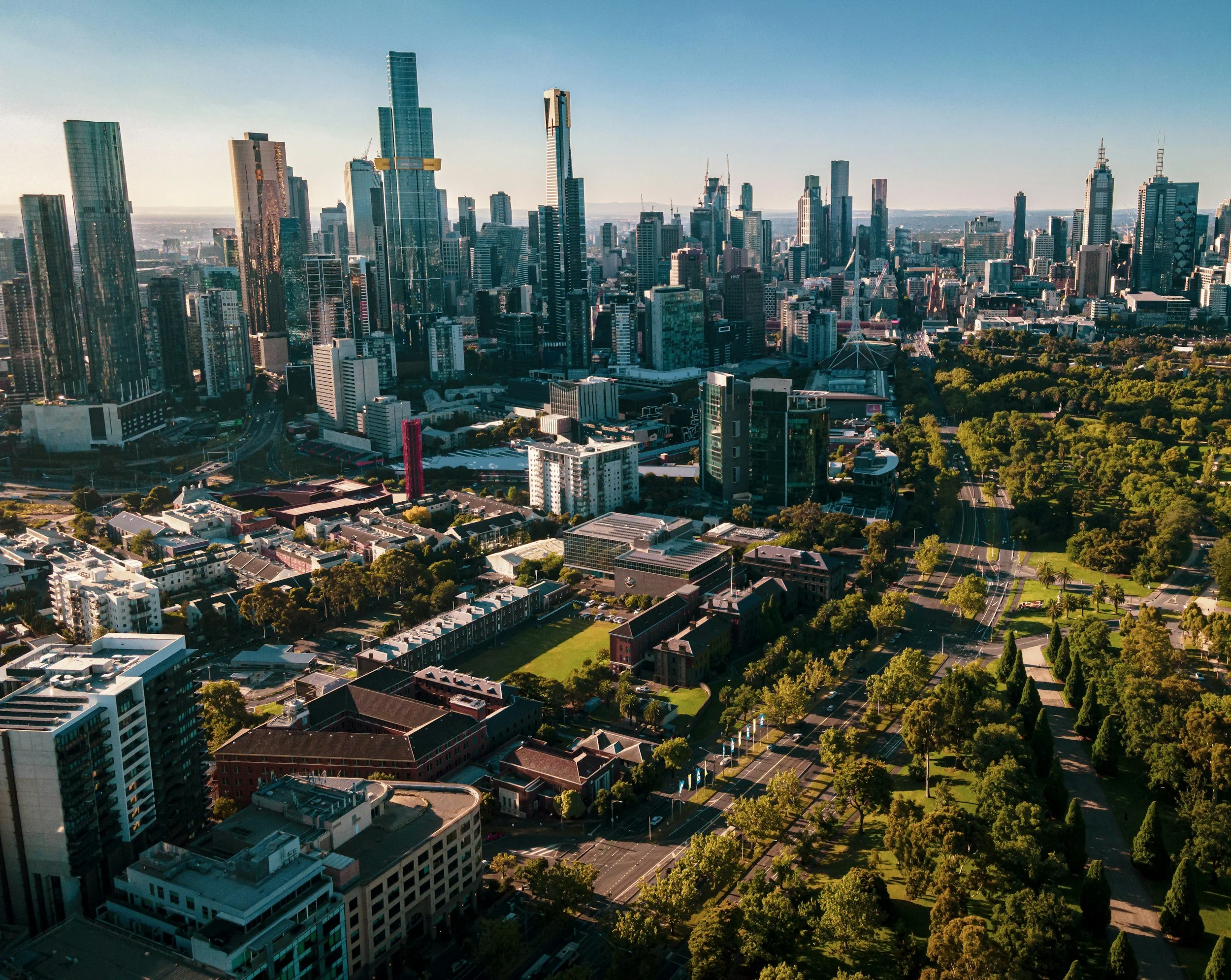
Best for: Concrete state-level legal protections and a highly organised grassroots queer scene.
Vibe: Creative, forward-thinking, and unapologetic.
Caveat: Extreme distance, high daily costs, and a restrictive visa process for those looking to stay.
Melbourne is Australia’s undisputed progressive capital, largely because the state of Victoria backs up its social attitudes with actual legislation. They have banned conversion practices and removed the medical gatekeeping required to amend birth certificates. You will also find spaces specifically dedicated to First Nations queer folks (Brotherboys and Sistergirls), showing that local organisers are thinking about safety beyond just sticking a rainbow sticker on a bar window.
If you are visiting, Melbourne is an incredibly welcoming place to exist. Neighbourhoods like Fitzroy and Collingwood offer a seemingly endless supply of queer-owned bookstores, cafes, and daytime community spaces where gender non-conformity is the baseline, not the exception.
But if you want to relocate, you have to face Australia’s notoriously strict immigration system and a brutal cost of living. Unless you possess skills in a highly specific industry or you are young enough to grab a working holiday visa, getting in is a massive hurdle. And if you do secure a visa, you are stepping into an expensive, highly competitive rental market. The reality is that treating Melbourne as an easy escape hatch requires a massive amount of financial privilege, and arriving without understanding the local housing squeeze does a disservice to the community you are trying to join.
Planning a trip or a move? We break down the specific visa pathways, which neighbourhoods are actually affordable, and where to find the real community hubs in our [Guide to Melbourne → Coming Soon]


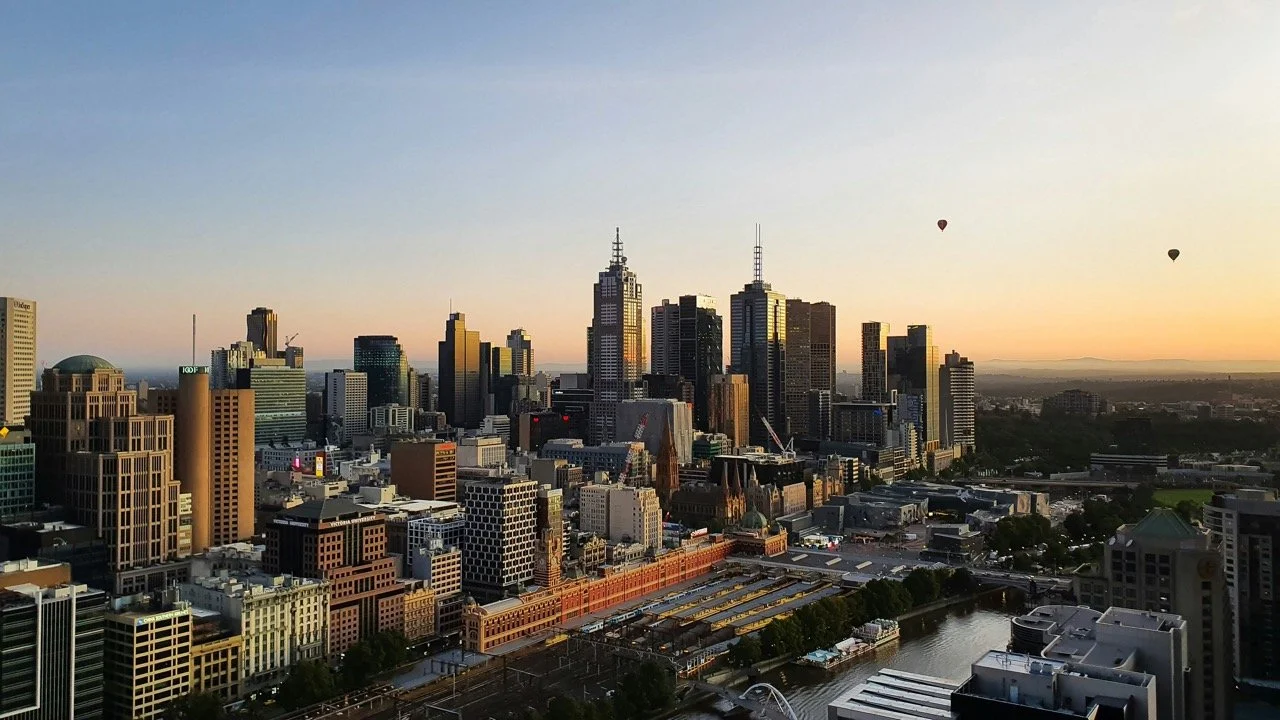


Total Score: 16 | Legal: 5/5 | Safety: 5/5 | Community: 4/5 | Affordability: 2/5
Resting on the shores of Te Whanganui-a-Tara, this land is historically anchored by Māori iwi (tribes), including Taranaki Whānui and Ngāti Toa, deeply rooted in the indigenous culture of Aotearoa.
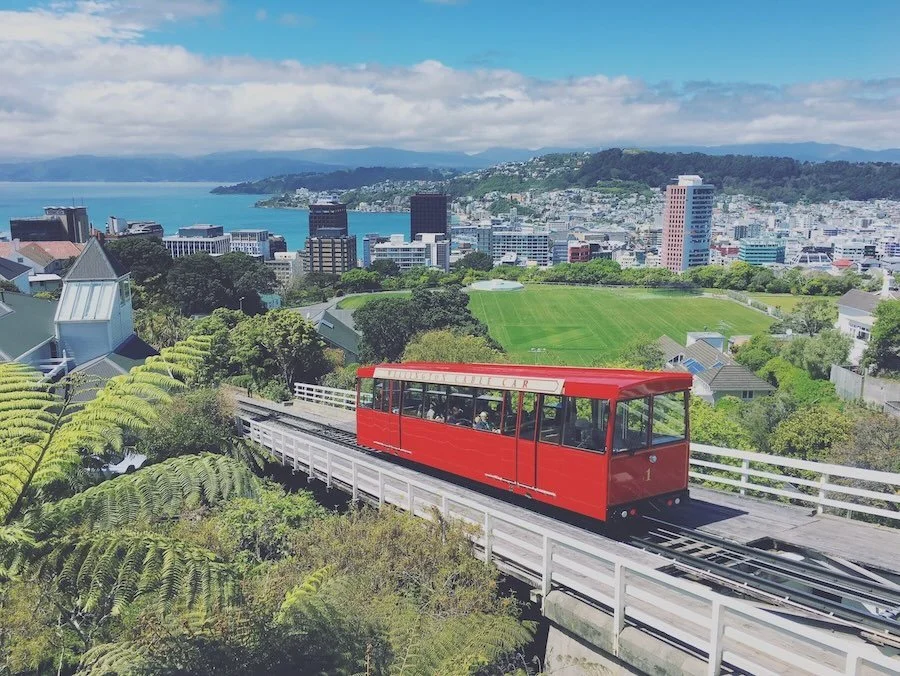
Best for: Unmatched daily street safety and a queer culture deeply connected to Māori identity.
Vibe: Wind-swept, deeply creative, and politically engaged.
Caveat: A severe housing shortage means foreign renters with stronger currencies often unintentionally displace locals.
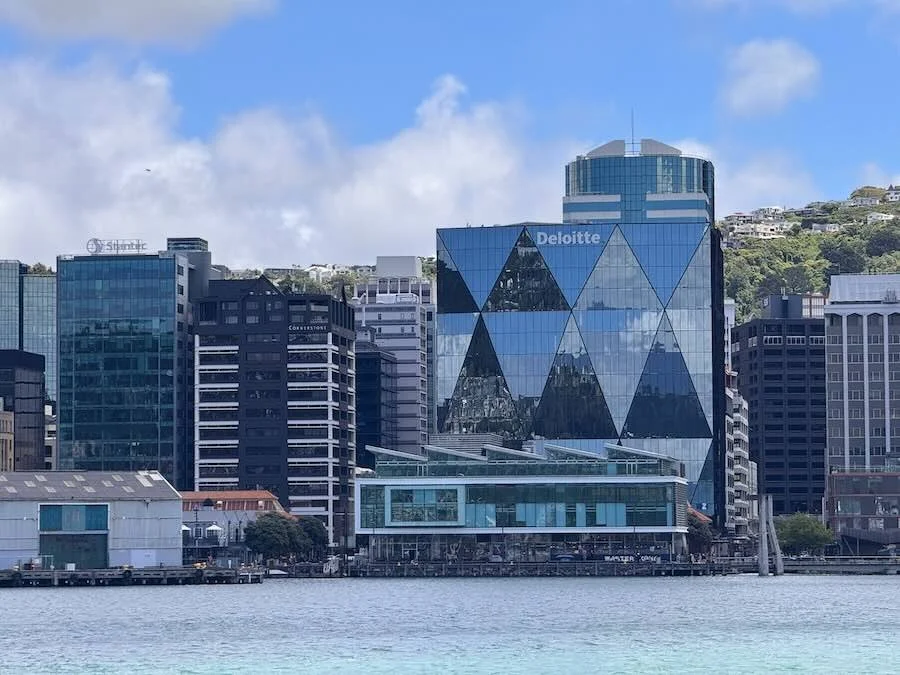
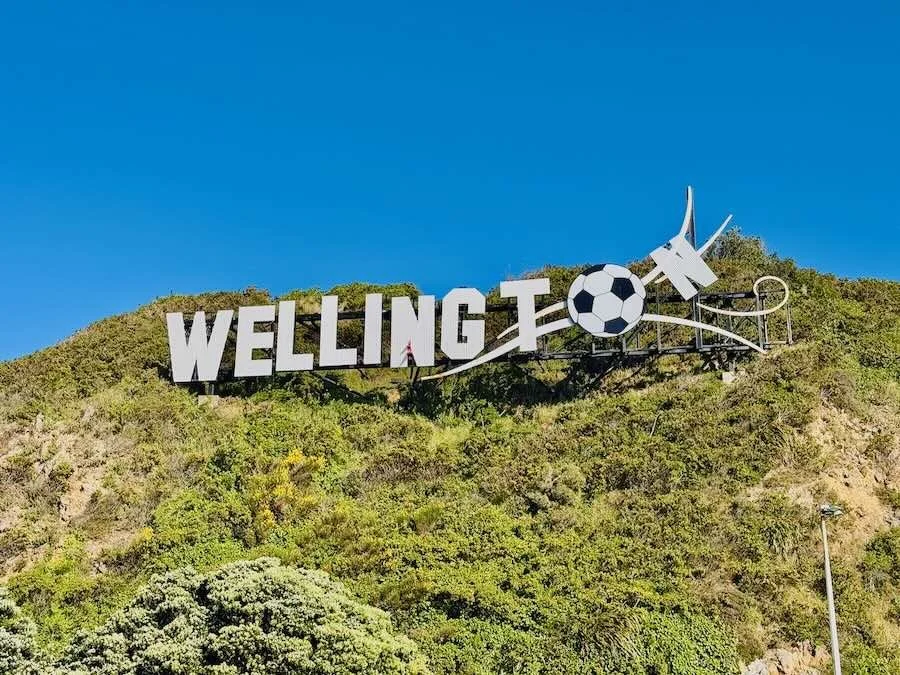
Aotearoa New Zealand’s capital, is a small but mighty sanctuary at the bottom of the world. What makes Wellington so special is how queer culture here is intertwined with Takatāpui identity—a traditional Māori term that embraces diverse sexual orientations and gender identities. This indigenous framework gives the city a grounded, community-focused feel that you rarely find in places where queer culture is purely imported or commercialised. Legally, the country is light-years ahead of the US and UK, allowing for gender self-identification on passports and birth certificates without forcing you through a humiliating medical tribunal.
For tourists, Wellington offers incredibly high street safety for visibly trans and nonbinary folks. It’s a chill, walkable city focused more on indie cafes, arts festivals, and second-hand bookstores than massive, corporate club scenes.
But if you are looking to migrate, we have to talk about housing. While getting a visa here (such as a working holiday visa, student visa, or skilled worker visa) is generally easier than in Australia, finding a place to live is brutal. The city is battling a massive housing crisis, and the existing homes are famously damp, expensive, and in incredibly short supply. Moving here with a stronger foreign currency often means you can easily outbid locals for the few available rentals. It is a beautiful, accepting place to build a life, but doing so ethically means understanding the squeeze you might be putting on the very community you are hoping to join.
Curious about the reality of living here? We discuss how to navigate the housing market ethically, the local organisations you should know, and how to pack for the wind in our [Guide to Wellington → Coming Soon]
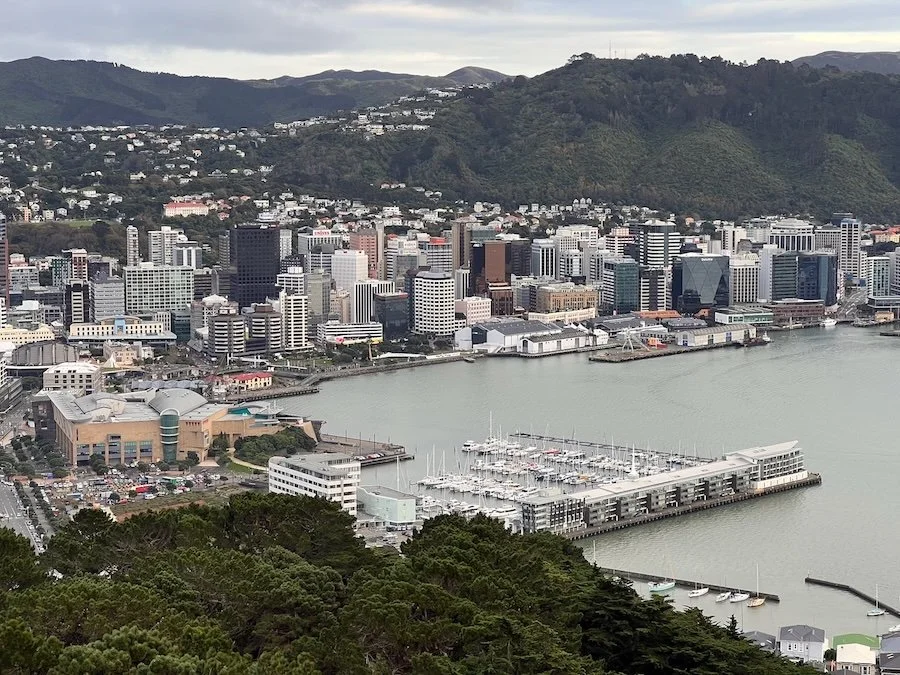

Total Score: 16 | Legal: 3/5 | Safety: 5/5 | Community: 4/5 | Affordability: 4/5
Situated in the Taipei Basin, this area was originally known as Bangkah by the indigenous Ketagalan people who navigated its rivers long before colonial borders were drawn.
Best for: Exceptional street safety and leading LGBTQ+ rights in Asia.
Vibe: Peaceful, highly efficient, and deeply welcoming.
Caveat: The legal process for gender recognition is still heavily medicalised and difficult for locals.
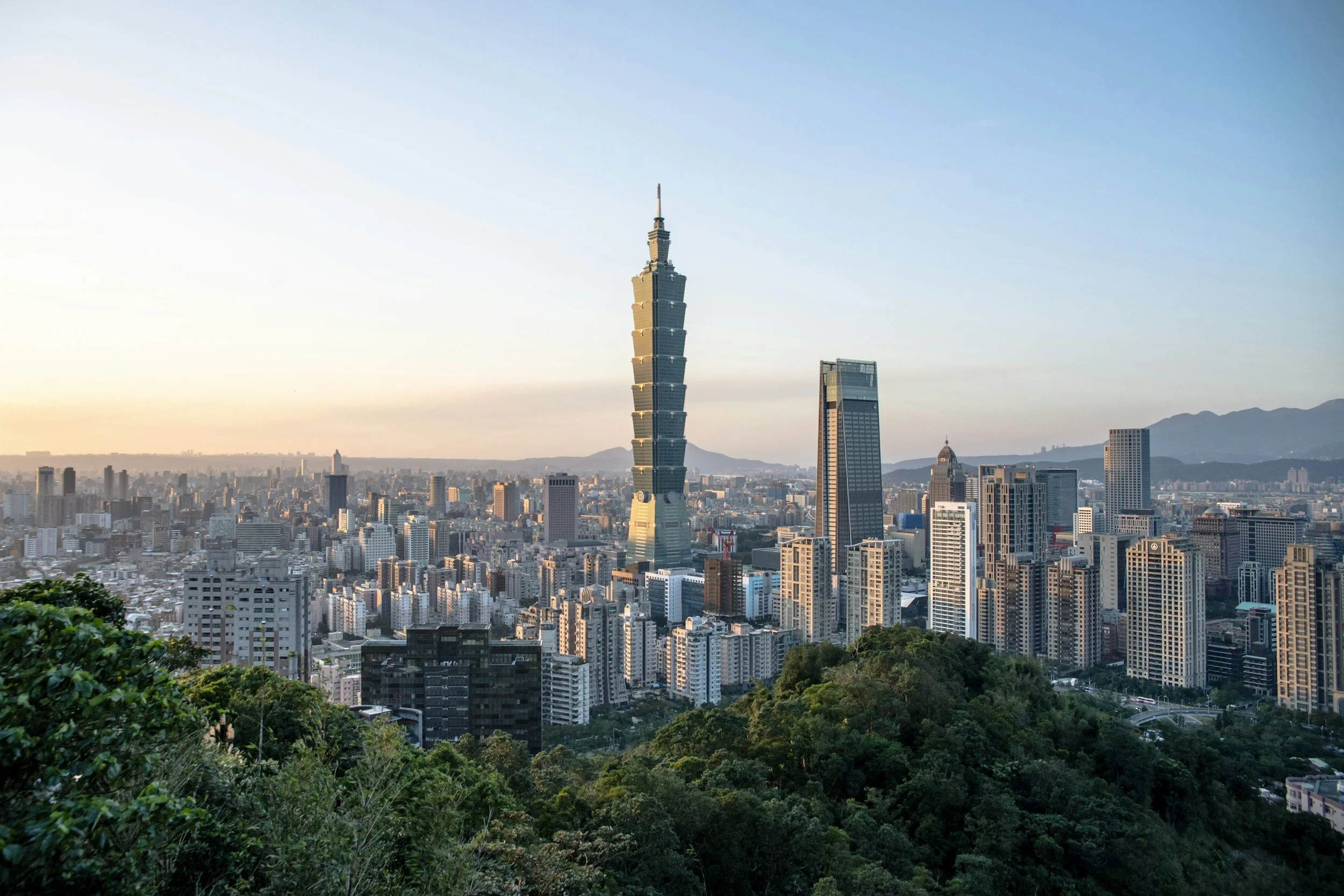
Taipei stands proudly as a progressive beacon in Asia. Taiwan made international headlines in 2019 as the first in the region to legalise same-sex marriage, cementing its reputation as a haven. But for trans and nonbinary travellers, the real draw isn't just the legislation—it is the undeniable physical safety of the city. You can walk home or take the MRT (public transit) late at night, presenting an entirely outside-the-binary and feeling a sense of security that is remarkably rare in North American or European capitals. That isn’t to say there should be zero caution for your safety when visiting Taipei, but you will potentially feel more at ease than you could at home.
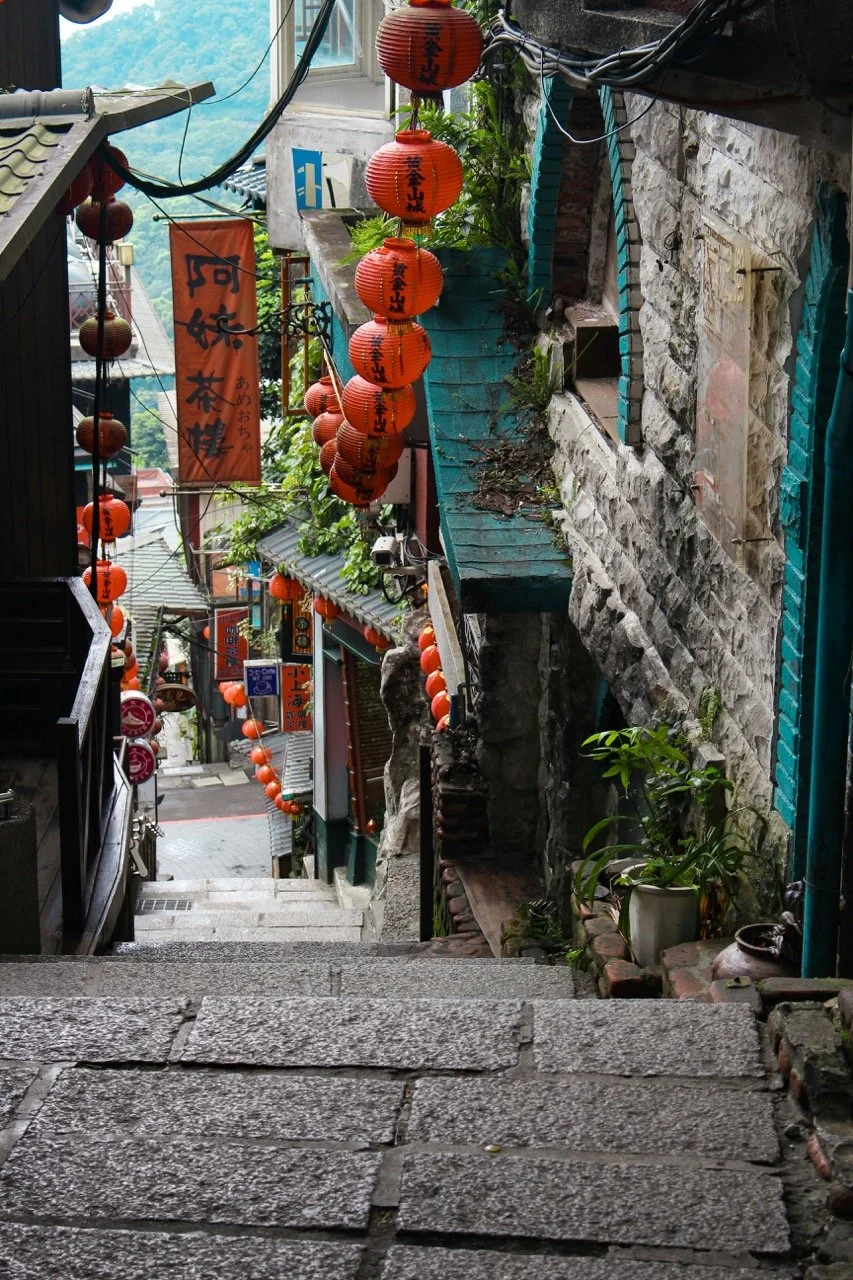
For visitors, Taipei is a dream. The queer scene is highly visible, thriving in independent cafes, bookstores, and creative spaces well beyond the historic Red House nightlife district.
But for those looking to relocate, the reality is far more bureaucratic. While social acceptance is incredibly high, the government still requires invasive medical gatekeeping and surgeries for locals trying to change their gender markers legally. While activists have won a few individual court cases bypassing this requirement since 2021, the government has yet to overhaul the system completely. It is a city where being a tourist is seamless, but becoming a resident means navigating a legal system that hasn't fully caught up to the progressive reality of its own people.
Want to find the city's hidden spaces? We detail the independent venues hosting enby meetups and how to navigate the city safely in our [Guide to Taipei → Coming Soon]



Total Score: 15 | Legal: 5/5 | Safety: 4/5 | Community: 5/5 | Affordability: 1/5
Built on the ancestral lands of the Mississaugas of the Credit, the Anishnabeg, the Chippewa, the Haudenosaunee, and the Wendat peoples, Tkaronto remains a vital gathering place for diverse First Nations, Inuit, and Métis peoples today.
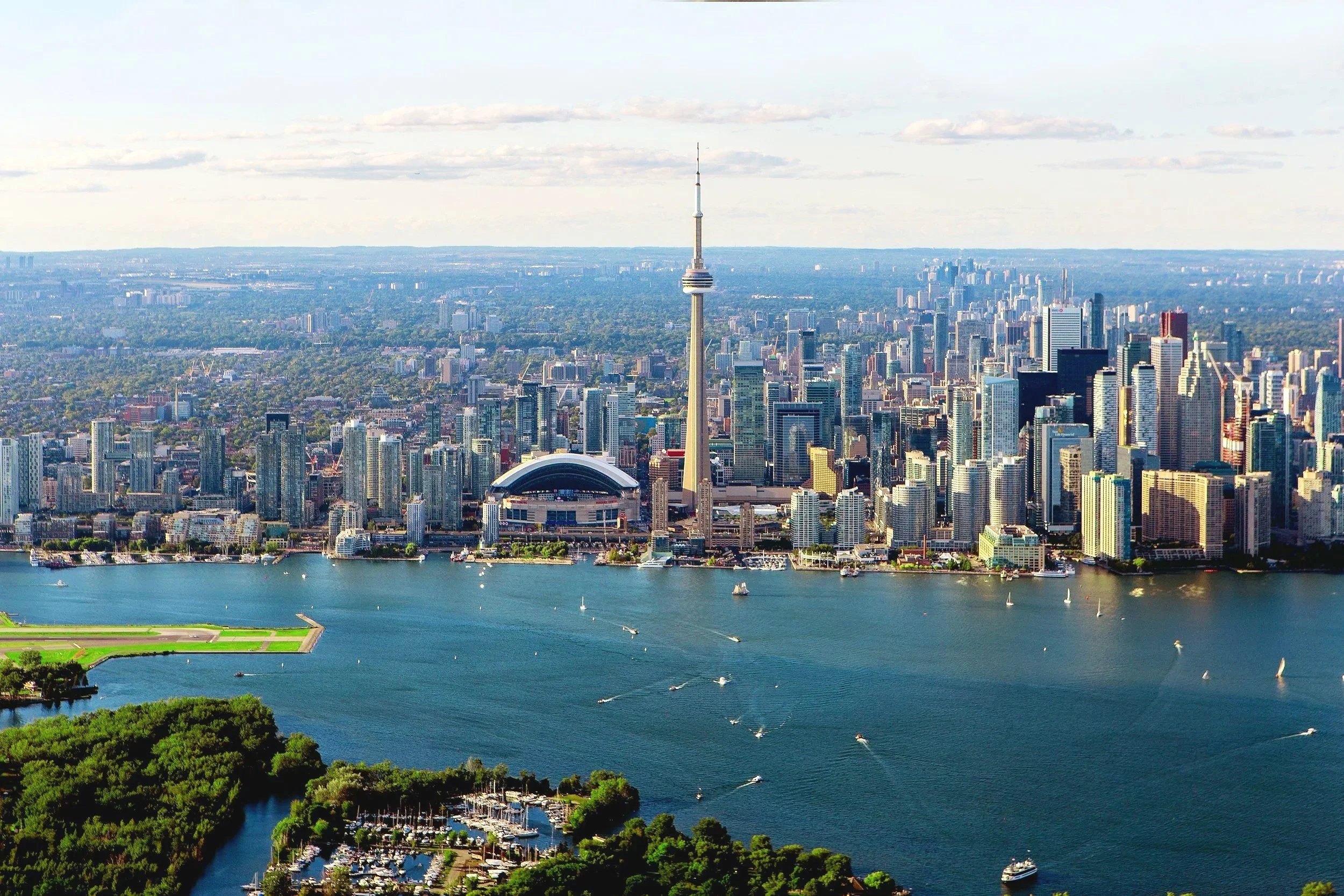
Best for: Ironclad legal protections and a deeply diverse, decentralised queer community.
Vibe: Structurally supportive, multicultural, but aggressively expensive.
Caveat: The severe cost-of-living and housing crises make relocation a massive financial hurdle.
Toronto has long been a global heavyweight in queer rights, backed by concrete laws. Federally and provincially, gender identity and expression are fiercely protected under the Human Rights Code, and Ontario makes it relatively painless to secure an "X" gender marker on driver's licenses and birth certificates. What makes Toronto’s culture so strong is its successful decentralisation. While the historic Church-Wellesley Village remains an important hub, much of the nonbinary and QTBIPOC (Queer, Trans, Black, Indigenous, and People of Colour) culture thrives across neighbourhoods such as West Queen West and Parkdale, allowing daytime venues, arts collectives, and sober spaces to flourish.
If you are visiting, Toronto is an incredibly easy, safe city to navigate. The transit system is robust, and the sheer diversity of the city means that visibly queer and BIPOC travellers rarely stand out in a crowd.
But migrating here is another story entirely. Toronto is currently trapped in a massive housing and affordability crisis. While the legal protections look fantastic on paper, they don't mean much if you can't afford rent. The real estate market is notoriously brutal, and Canada as a whole has recently tightened its immigration and visa policies in response to national pressures. Treating Toronto as an easy escape hatch ignores the exhausting reality that locals are dealing with to keep a roof over their heads. Moving here requires serious financial backing and a commitment to integrating ethically.
Trying to figure out if Toronto is realistic for you? We break down the real cost of living, the visa shifts, and the neighbourhoods pushing back against gentrification in our [Guide to Toronto → Coming Soon]
Total Score: 15 | Legal: 4/5 | Safety: 4/5 | Community: 5/5 | Affordability: 2/5
Evolving from ancient Slavic settlements in the marshlands, Berlin has a deep, complex history of migration, destruction, and radical reinvention spanning centuries.
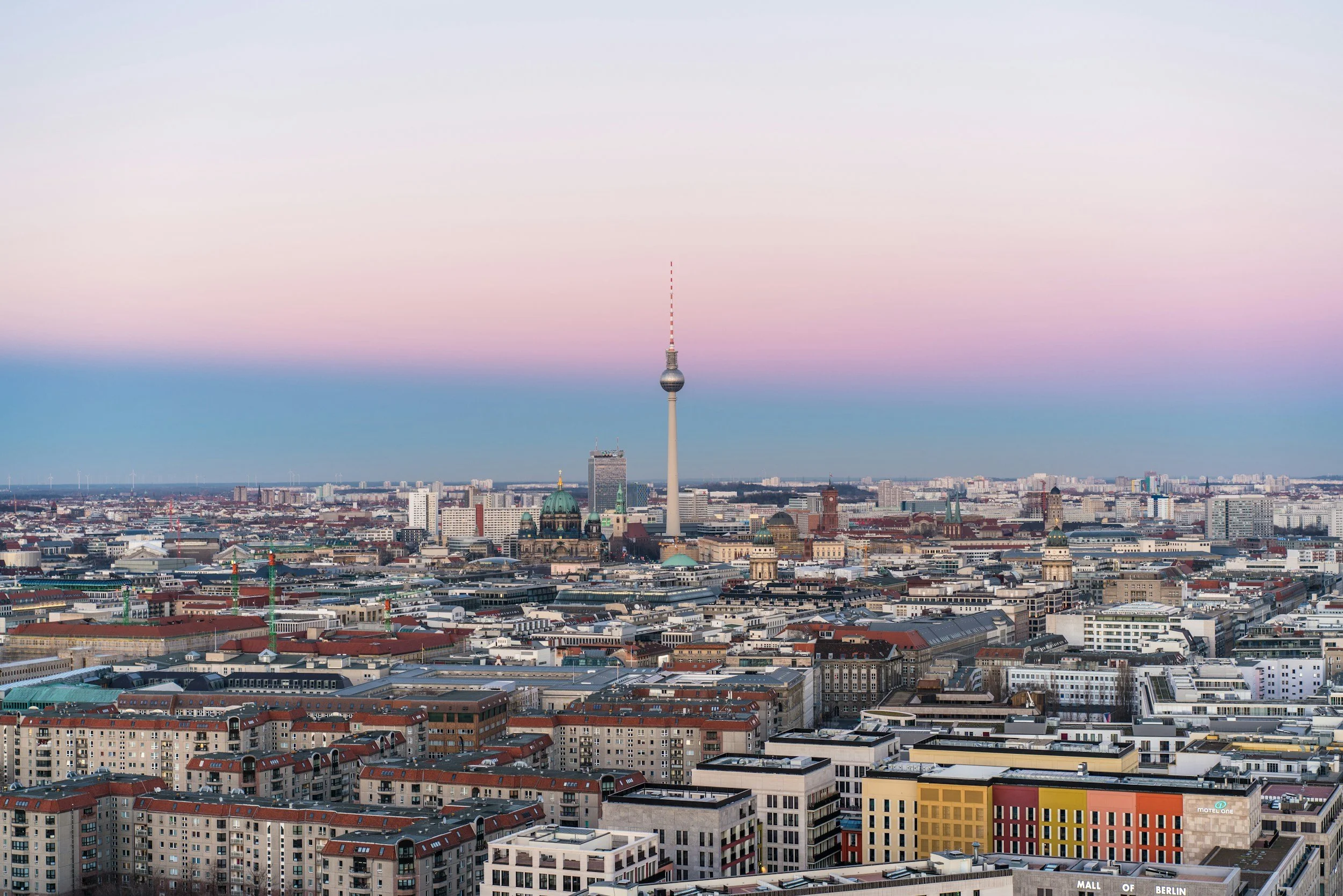
Best for: Radical, protective queer spaces and a fierce culture of bodily autonomy.
Vibe: Gritty, protective of its freedom, and famously anti-assimilation.
Caveat: "Expats" often create insulated bubbles that ignore locals, and the bureaucracy is notoriously gruelling.
Berlin’s queer culture is built on a collective refusal to blend in. While the city is famous globally for its intense club scene, its real value lies in the vast network of spaces dedicated to women, trans, and nonbinary folks who want to exist outside of cis-male-dominated nightlife. Germany recently bolstered this culture at the national level by implementing the Selbstbestimmungsgesetz (Self-Determination Act), which radically simplified the process for legal name and gender changes. It’s a massive win for locals fighting for bodily autonomy and sets a strong legal foundation for trans residents.
As a tourist, Berlin feels like an absolute playground. Visible gender non-conformity is completely normal on the street, and it is remarkably easy to drop in and enjoy the city's famous freedom for a week.
But for migrants, the reality check hits hard. The influx of foreign remote workers has driven rents up dramatically in recent years. Many arrivals fall into the trap of living in insulated, English-speaking bubbles that actively gentrify the city while ignoring the people who actually built its radical culture. If you want to move here, you have to be prepared to learn the language, respect the local struggle for affordable housing, and face the Bürgeramt—Germany’s famously exhausting, paper-heavy immigration bureaucracy. Ethically moving to Berlin means contributing to the community, not just consuming its nightlife.
Ready to brave the bureaucracy? Learn how to integrate ethically, support local co-ops, and navigate the visa process in our [Guide to Berlin → Coming Soon]
Total Score: 15 | Legal: 5/5 | Safety: 3/5 | Community: 4/5 | Affordability: 3/5
Sprawling across the vast pampas, this region is the ancestral territory of the Querandí people, whose deep historical footprint long predates the arrival of the Spanish empire.
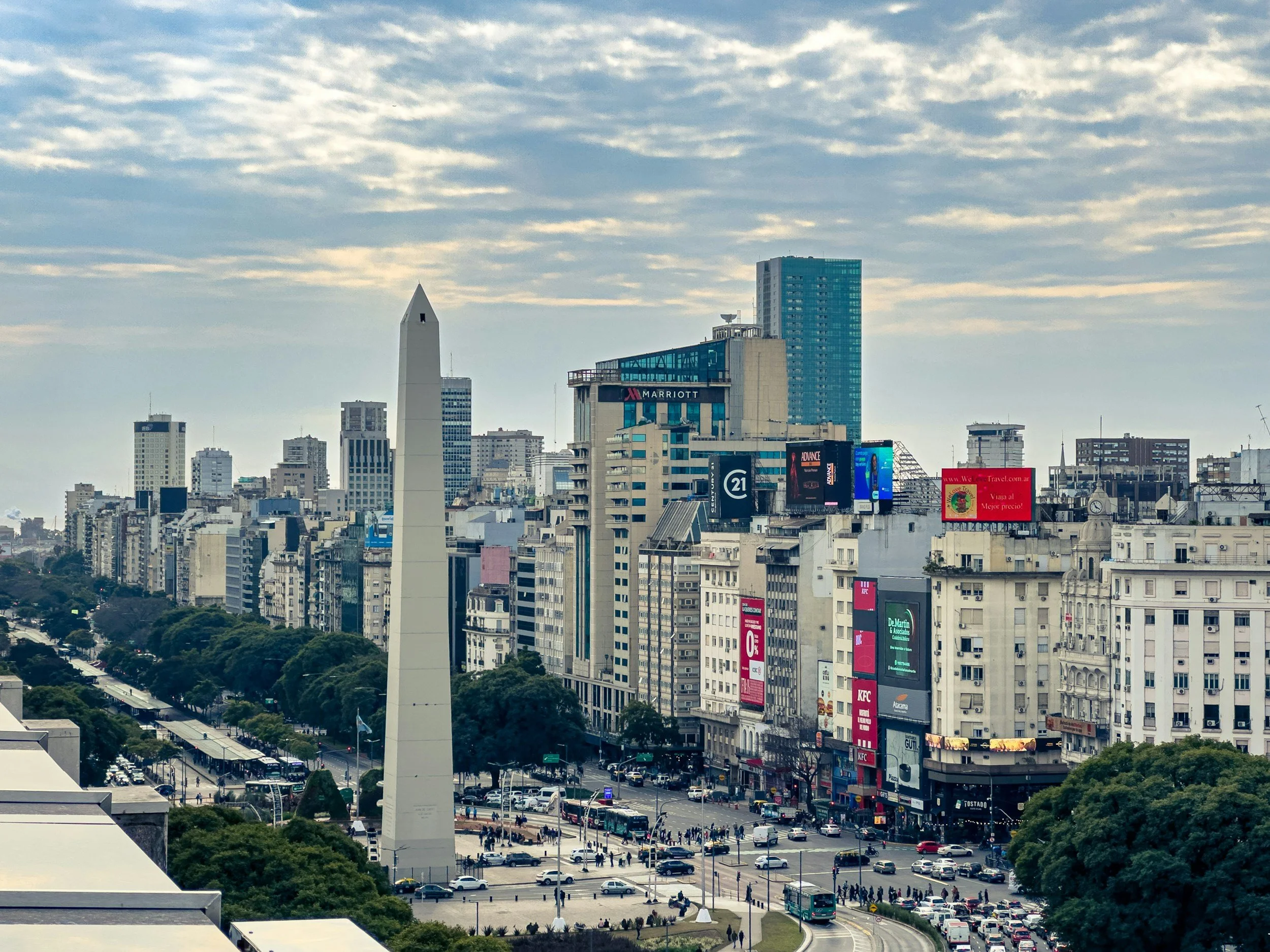
Best for: Groundbreaking legal frameworks and a fiercely mobilised trans and travesti culture.
Vibe: Late-night, passionate, and deeply political.
Caveat: Severe economic instability makes daily life incredibly difficult for locals, creating a massive privilege gap for foreigners.
Buenos Aires is a city that fights for its rights loudly and unapologetically. Argentina essentially set the global gold standard back in 2012 with its Gender Identity Law, which allowed for legal gender changes without a medical diagnosis or humiliating gatekeeping. By 2021, the country officially introduced "X" gender markers on passports. This legal foundation has fostered a deeply rooted trans and travesti culture that actively protests for visibility and labour rights, making it a profoundly important hub for Latin American queer history.
If you are visiting with a strong foreign currency (like USD or Euros), the city is a highly accessible playground. You will find dedicated, vibrant queer spaces across historic neighbourhoods like Palermo, San Telmo, and Recoleta, surrounded by a warm community accustomed to socialising well into the early morning hours.
But the ethics of relocating here are incredibly fraught. Argentina is battling a devastating economic crisis with staggering inflation. The stark reality is that foreign digital nomads live in extreme luxury while local working-class queer folks face intense daily financial hurdles to buy groceries. Because it is so "cheap" for expats, many move here without bothering to learn Spanish or integrate, creating massive resentment towards the gentrification they cause. Simply spending your remote salary at a trendy cafe does not undo the damage of driving up local rent. If you come here long-term, you must actively learn the language and look for ways to contribute rather than extract.
Want to visit without harm? Discover the local trans-led mutual aid groups you should fund, which spaces avoid the digital nomad trap, and how to travel ethically in our [Guide to Buenos Aires → Coming Soon]
Total Score: 15 | Legal: 4/5 | Safety: 3/5 | Community: 4/5 | Affordability: 4/5
Built directly over the ruins of the Aztec capital of Tenochtitlan, modern Mexico City pulses with the enduring legacy, language, and culture of the Nahua peoples.
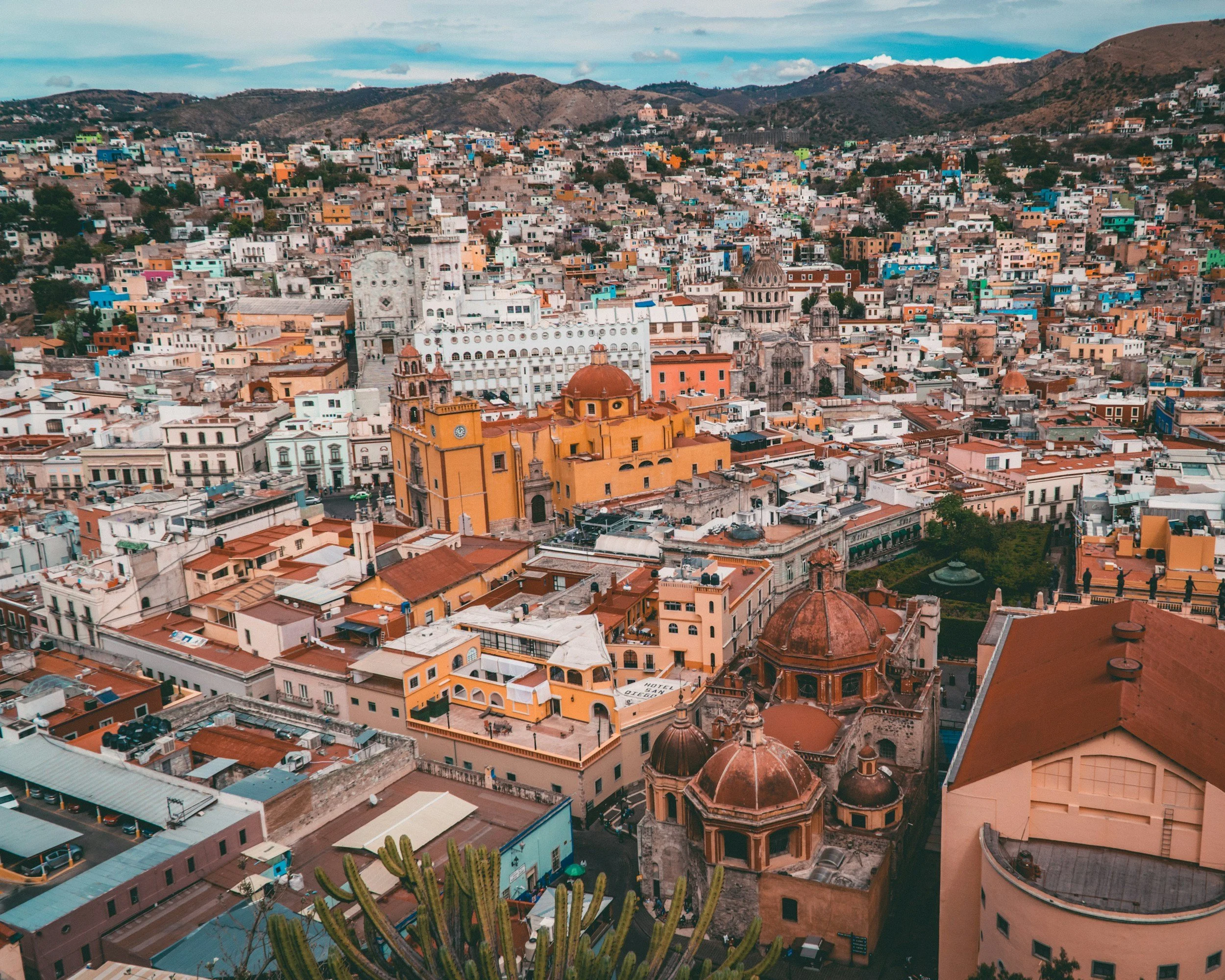
Best for: A historic, deeply mobilised queer infrastructure outside the US/EU.
Vibe: Incredible food, world-class art, and highly politicised grassroots activism.
Caveat: The rapid influx of remote workers is displacing the local queer communities who built the city's culture.
Mexico City (CDMX) is an electric, sprawling metropolis where queer culture is deeply embedded in the streets rather than hidden away in basements. The city is highly progressive in terms of legal recognition, allowing individuals to change their gender identity on official documents through a simple administrative process, setting a standard for the rest of Latin America. But the real magic is the community's refusal to stay quiet. Public spaces like the Glorieta de los Insurgentes have served as massive hubs for trans rights protests, proving that the city's queer life is fiercely protective of its own.
For tourists, the city feels like a dream. Neighbourhoods like Roma, La Condesa, and the historic Zona Rosa in Mexico City offer excellent daytime safety and an abundance of queer-owned businesses and vibrant nightlife.
However, if you are considering moving here as a remote worker, you have to look at the massive footprint you leave behind. CDMX is currently ground zero for the global digital nomad debate. The influx of Americans and Europeans arriving with much stronger currencies has severely exacerbated gentrification, pricing local Mexicans out of their own historic neighbourhoods. The uncomfortable reality is that being a marginalised queer person in your home country does not exempt you from the economic damage your foreign salary inflicts on the local housing market here. Moving to Mexico City without learning Spanish, supporting local organisers, or understanding your privilege is just colonisation with a rainbow filter.
How do you engage with CDMX responsibly? We look at the specific neighbourhoods to avoid gentrifying, the local businesses you should prioritise, and the organisers fighting back in our [Guide to Mexico City → Coming Soon]
Total Score: 14 | Legal: 4/5 | Safety: 3/5 | Community: 5/5 | Affordability: 2/5
Resting on the shores of Lake Michigan, Shikaakwa is the traditional, unceded homeland of the Council of the Three Fires—the Ojibwe, Odawa, and Potawatomi Nations.
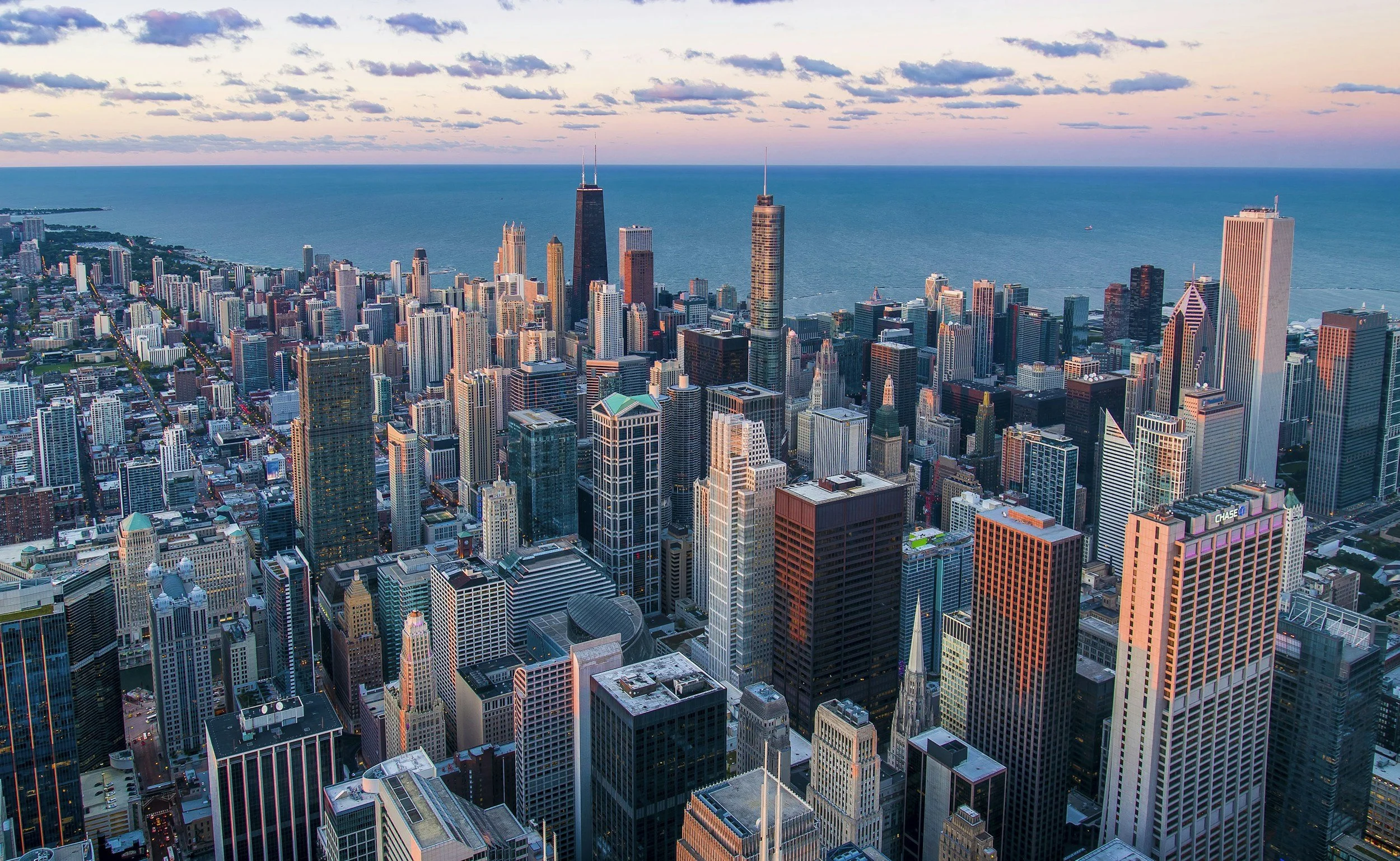
Best for: Midwest Black & Latinx queer communities and grassroots trans-led mutual aid.
Vibe: Deep neighbourhood identities backed by fierce, protective community networks.
Caveat: Brutal winter weather and stark historical segregation dictate your daily safety & transit access.
Chicago is arguably the most structurally supportive city for LGBTQ+ people in the American Midwest. As surrounding states systematically strip away bodily autonomy, Illinois has legally cemented itself as a sanctuary state, explicitly protecting trans healthcare and abortion access. This makes Chicago a literal haven for those fleeing hostile legislation. What truly sets the city apart, however, is its robust, grassroots infrastructure for Black and Latinx queer folks. Trans-led organisations and community-run food pantries on the South and West sides provide a level of intersectional institutional support that is rare and deeply protective.
If you are visiting, particularly during the summer, the city is an absolute joy. Neighbourhoods like Andersonville offer a deeply entrenched lesbian, enby, and trans-friendly business district that provides a highly supportive, walkable daytime vibe. At the same time, the historic Northalsted (formerly Boystown) anchors the mainstream nightlife.
But migrating to Chicago requires a harsh reality check regarding geography and weather. The city is defined by deep, historical segregation. Your experience of Chicago's queer friendliness, transit safety, and community access can change dramatically depending on which train line you live off of. Furthermore, the winters are famously brutal, which heavily impacts seasonal depression, transit reliability, and accessibility for disabled folks. Moving here successfully means understanding hyper-local neighbourhood dynamics and prioritising mutual aid, not just finding an apartment near a gay bar. Furthermore, this does not factor in the realities of American immigration, which is notoriously inaccessible and increasingly dangerous.
Trying to figure out which neighbourhood fits you? We break down the realities of the CTA train lines, the grassroots organisations you need to know, and surviving the Midwest winter in our [Guide to Chicago → Coming Soon]
Total Score: 14 | Legal: 2/5 | Safety: 5/5 | Community: 3/5 | Affordability: 4/5
Originating as a small trading post known as Bang Makok along the Chao Phraya River, the "City of Angels" has served as the cultural and historic heartbeat of the Thai people for centuries.
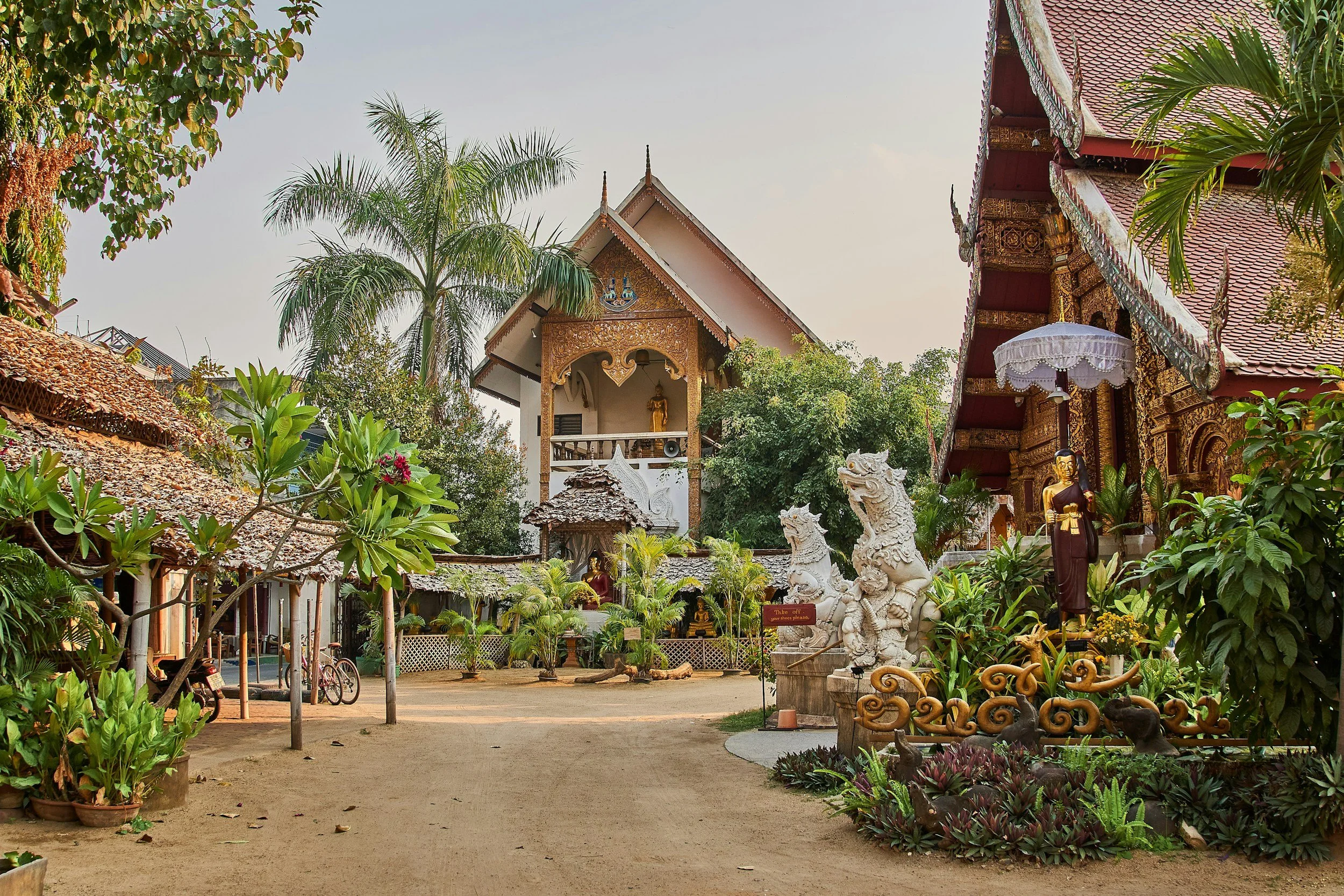
Best for: Unmatched street safety for visible gender non-conformity and historic queer culture.
The Vibe: Joyful, chaotic, and wonderfully integrated into daily life.
The Caveat: A severe gap between social acceptance and legal recognition for trans and nonbinary individuals.
Thailand made global history in January 2025 when its Equal Marriage Law officially took effect, making it the first country in Southeast Asia to recognise same-sex marriage. For travellers, Bangkok is an absolute haven. The city's legendary queer nightlife in Silom is just the surface; daytime safety for visibly queer, trans, and gender non-conforming folks is incredibly high here. Unlike in the West, where hyper-visibility often leads to street harassment, the cultural concept of third gender (such as the kathoey identity) means that nonbinary and trans travellers generally experience deep social tolerance.
However, a national view of Thailand reveals a frustrating legal paradox for those who actually live there. While you can now legally marry regardless of gender, Thailand still does not allow trans or nonbinary people to change their legal gender markers on official documents.
If you are visiting, Bangkok is one of the safest, most vibrant, and most welcoming places on earth. But if you are looking to relocate or stay long-term, you have to be prepared for the fact that the legal system will continually misgender you on paper. Furthermore, treating Thailand as a cheap playground ignores the massive hurdles local trans folks face when trying to access equal employment, banking, and housing without accurate legal documents.
Planning a trip to Bangkok? We break down how to respect the local culture, which neighbourhoods offer the best community spaces, and how to support Thai trans advocacy in our Guide to Bangkok: LGBTQ+ Spaces, Culture & Tips.
Total Score: 14 | Legal: 4/5 | Safety: 2/5 | Community: 5/5 | Affordability: 3/5
Arising from the Piratininga plateau, this massive metropolis was born on the traditional lands of the Tupi-Guarani peoples, whose language and legacy still echo in the region's geography.
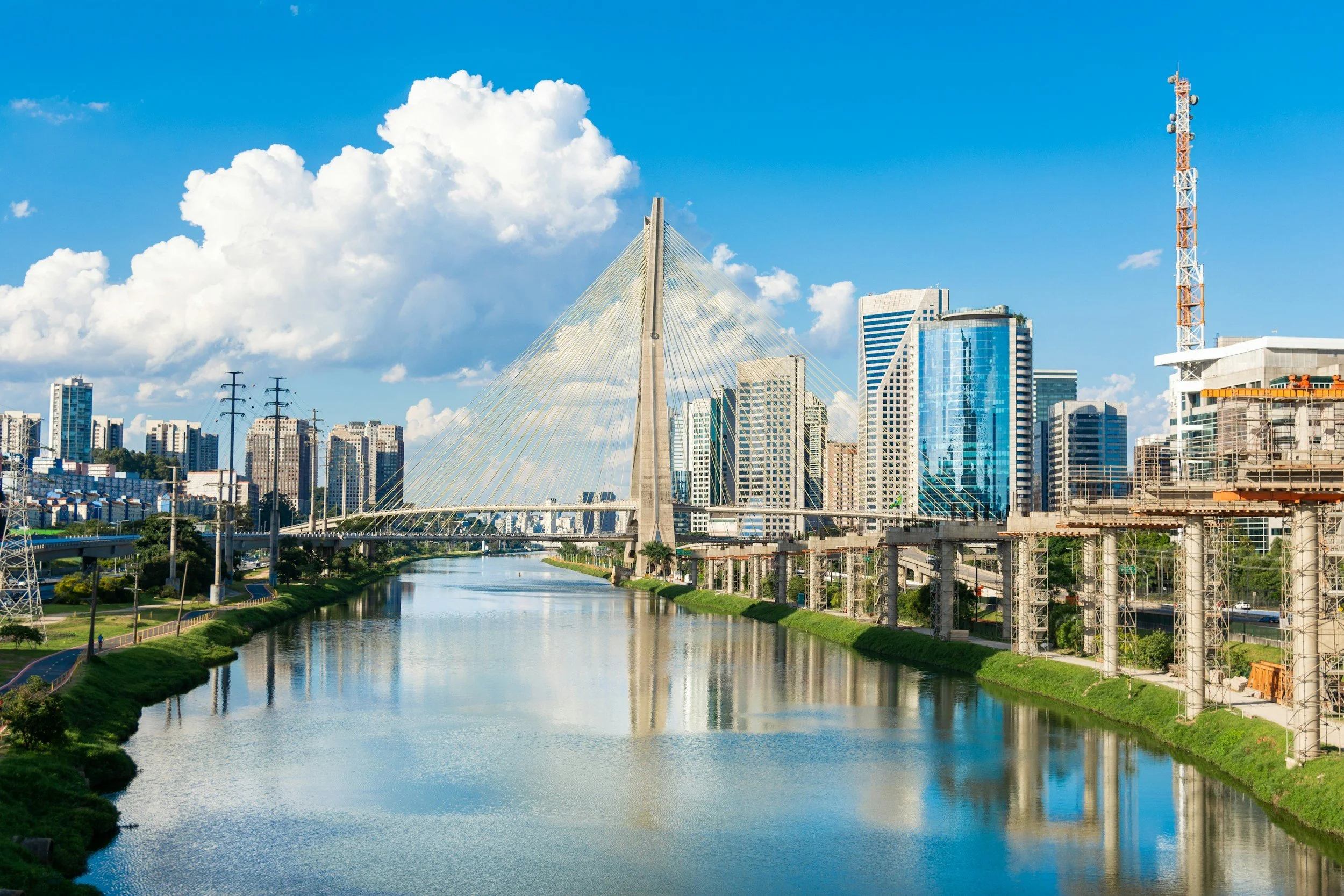
Best for: The largest LGBTQ+ community in Latin America and massive queer infrastructure.
The Vibe: An electric, unapologetic, and fiercely political concrete jungle.
The Caveat: The jarring paradox between legal queer progression and high rates of street violence against marginalised trans women.
São Paulo is a behemoth of a city and hosts the largest Pride parade on the planet. Legally, the country has made significant strides on paper: the Brazilian Supreme Court criminalised homophobia and transphobia in 2019, and in recent years, state courts have increasingly granted official gender-neutral ID markers, setting a monumental precedent for nonbinary recognition. The queer infrastructure here is staggering, spanning from the upscale, gay-friendly boutiques of the Jardins district to the subversive, radical drag and cabaret spaces in the city centre.
If you are visiting as a foreign tourist with a strong currency exchange rate, São Paulo is highly accessible, culturally affirming, and relatively easy to navigate within the wealthier, heavily policed central bubbles.
However, looking at the city through the lens of migration or ethical travel reveals a deeply painful paradox. Brazil consistently records some of the highest rates of violence against trans people globally. This violence is heavily racialised and class-based, predominantly affecting working-class, Black trans women and travestis who are pushed to the margins of the city and excluded from the formal economy. Treating São Paulo purely as a cheap, fun destination without acknowledging this reality is a massive blind spot. True intersectional travel or relocation here means understanding your privilege, staying highly aware of your surroundings, and actively supporting grassroots organisations fighting to keep the city's vulnerable queer residents alive.
Want to understand the real São Paulo? We discuss how to navigate the city safely, how to break out of the expat bubble, and which essential trans-led NGOs need your support in our [Guide to São Paulo → Coming Soon]
Total Score: 14 | Legal: 5/5 | Safety: 4/5 | Community: 3/5 | Affordability: 2/5
Situated on the Mediterranean coast, this sun-drenched region was originally settled by the ancient Iberian tribes who called it Barkeno long before Roman or Spanish conquest.
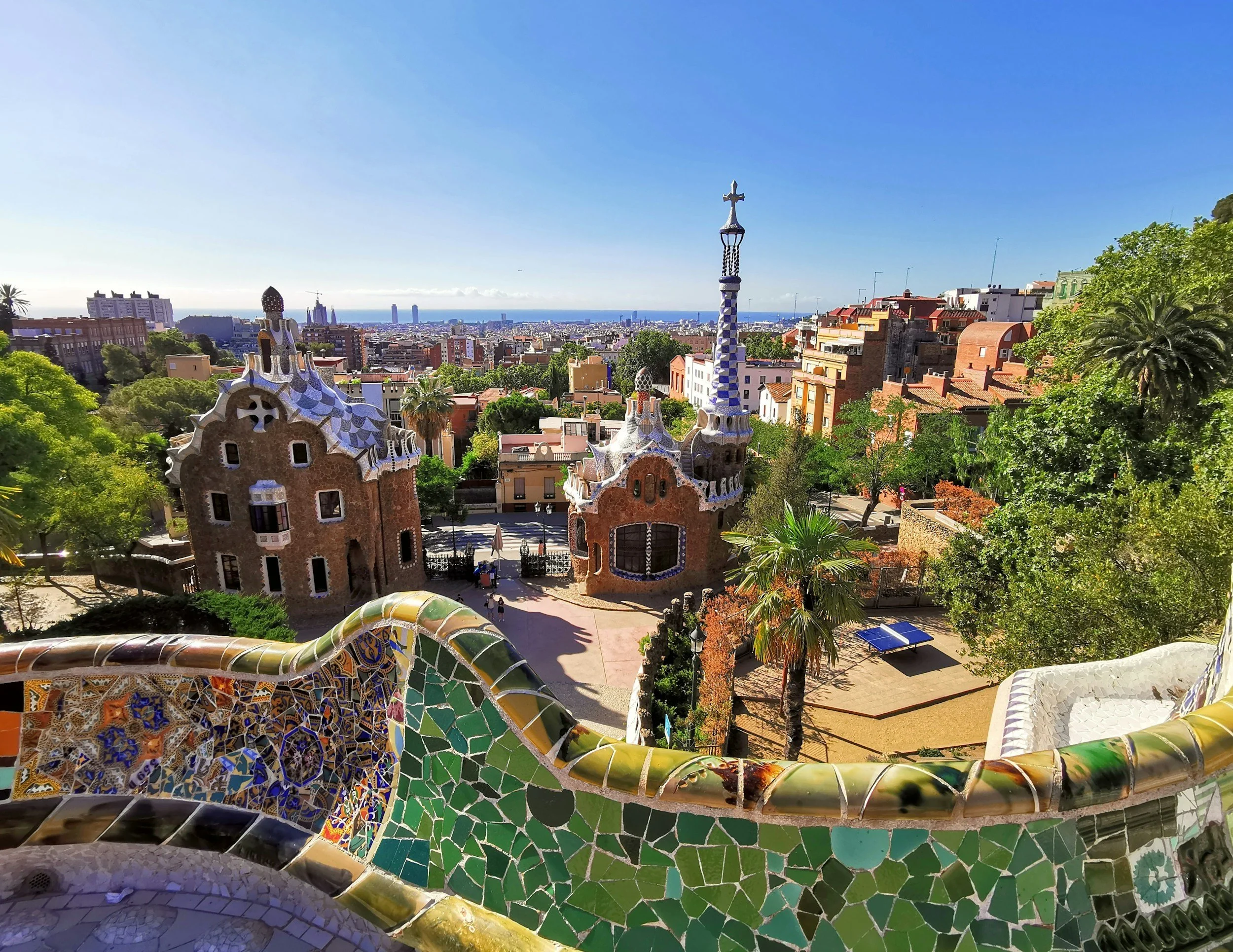
Best for: Southern European connectivity and a deeply relaxed, visible daytime queer culture.
The Vibe: Sun-drenched, legally progressive, and fiercely independent.
The Caveat: Mass tourism has caused a severe local housing crisis, leading to justified resentment toward digital nomads.
Barcelona blends Mediterranean ease with fierce political progression. Spain made global headlines in 2023 when it passed the sweeping Ley Trans (Transgender Law), which allows for gender self-determination on official documents without the need for invasive medical or psychological evaluations. This progressive legal reality is reflected on the streets of Barcelona, where gender non-conformity is met with far more shrugs than stares, and you can exist safely in public spaces, on the beach, and in daily life.
If you are visiting, the city is incredibly easy to navigate. While the famous "Gaixample" district caters heavily to affluent, cisgender gay men, nonbinary and intersectional travellers can easily find more authentic, radical spaces in neighbourhoods like El Raval or Poble Sec. Here, queer culture intersects with anarchist, working-class, and squatting histories rather than corporate sponsorships.
However, migrating here comes with heavy ethical baggage. Barcelona is quite literally suffocating under the weight of mass tourism and the influx of remote workers. Over the last few years, locals have taken to the streets in massive protests against short-term rentals and expats who drive up housing costs and ignore local culture. Moving here as a digital nomad requires a deep commitment to ethical integration. That means refusing to rent short-term tourist apartments that displace locals, actively supporting the community, and taking the time to learn the language—and in this region, that means learning Catalan, not just Spanish.
Thinking about making the move or just visiting? We cover how to navigate the city without fueling gentrification, the best enby-friendly spaces outside the mainstream, and the radical history of El Raval in our [Guide to Barcelona → Coming Soon]
Total Score: 13 | Legal: 4/5 | Safety: 4/5 | Community: 3/5 | Affordability: 2/5
Born from a 12th-century fishing village where a dam was built on the river Amstel, this land has been shaped by centuries of maritime history, engineering, and global trade.
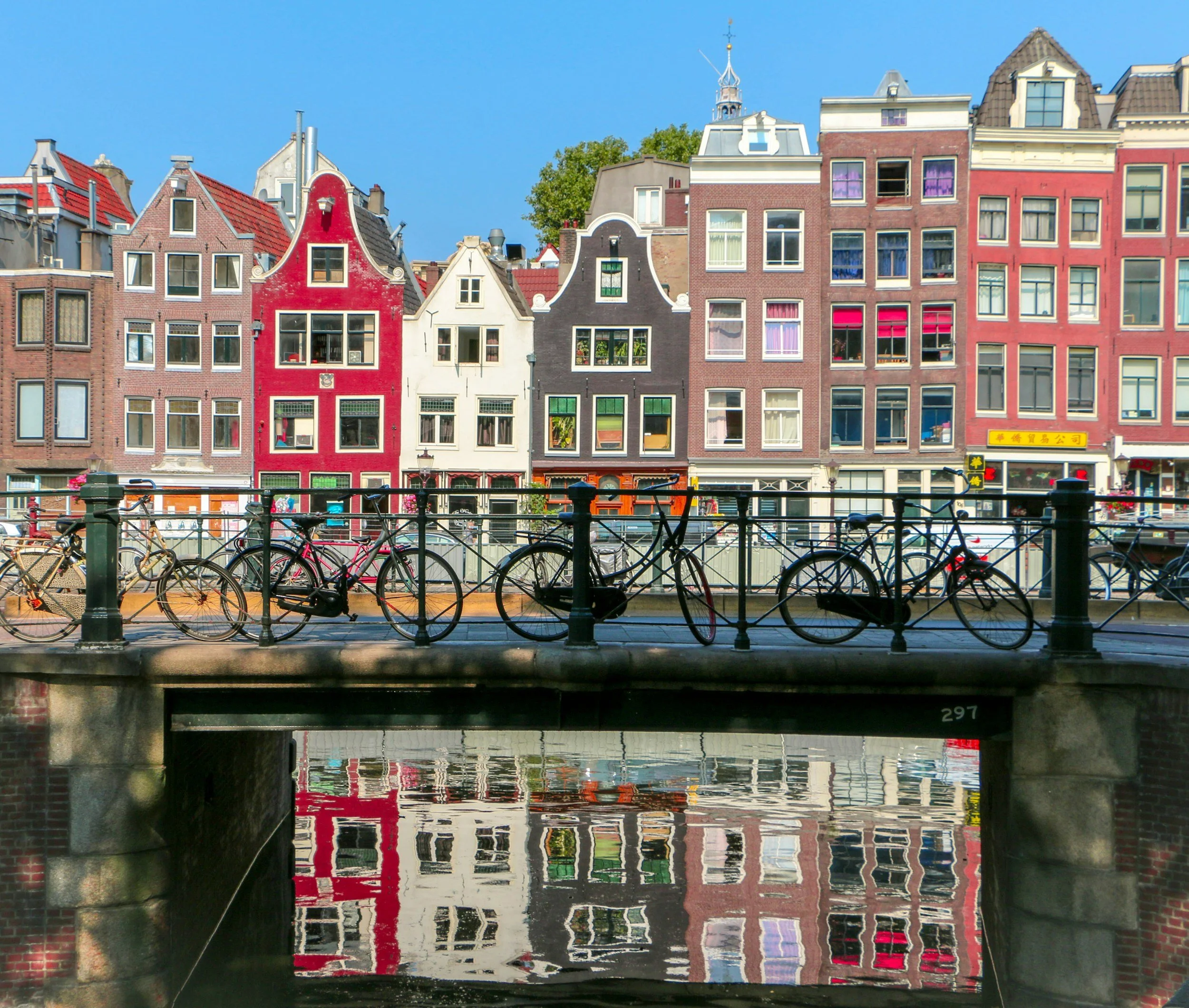
Best for: Historical legacy of LGBTQ+ visibility and a relaxed, hands-off social environment.
The Vibe: Exceptionally scenic, easygoing, and legally progressive.
The Caveat: The mainstream queer scene is heavily corporate and white, and the housing market is almost entirely blocked off for newcomers.
The Netherlands famously became the first country in the world to legalise same-sex marriage back in 2001, and that long legacy of social tolerance shapes modern Amsterdam. The city is home to the Homomonument—a massive concrete triangular memorial along the canals dedicated to persecuted queer people throughout history—which speaks to how deeply this history is integrated into the city's identity. On a daily basis, the famous Dutch mentality of gedogen (a unique flavour of social tolerance that essentially means "live and let live") means that nonbinary and trans people can generally walk through the central districts without facing overt hostility or stares.
If you are visiting, Amsterdam feels safe, orderly, and incredibly low-stress. You can hold hands, dress exactly how you want, and explore the city's beautiful canals with a baseline of peace. However, the mainstream nightlife strip on Reguliersdwarsstraat has become highly commercialised, catering mostly to affluent, cisgender gay tourists. For intersectional or nonbinary spaces that feel authentic, you have to look outside the city centre to grass-roots collectives, queer zine fairs, and radical community libraries.
For those looking to migrate, however, Amsterdam presents a massive logistical and ethical wall. The Netherlands is currently experiencing a historic, catastrophic housing shortage. Foreign expats arriving with tech or corporate relocation budgets often snap up apartments at inflated rates, entirely pricing out working-class locals and marginalised youth who are left stuck on decade-long waitlists for social housing. Additionally, because the city views itself as having already "solved" homophobia decades ago, it can be surprisingly difficult to find institutions that acknowledge more subtle, intersectional challenges faced by trans people of colour. Moving here responsibly means confronting a brutal rental market and making a conscious effort not just to isolate yourself in an expat bubble.
Want to find the city's authentic underground scenes? We break down the absolute reality of the Dutch housing system, the neighbourhoods to look into, and the independent enby collectives you should support in our [Guide to Amsterdam → Coming Soon]
Total Score: 13 | Legal: 2/5 | Safety: 3/5 | Community: 5/5 | Affordability: 3/5
Woven into the dense canopy of the American South, this city is built upon the unceded, ancestral homelands of the Muscogee (Creek) and Cherokee peoples.
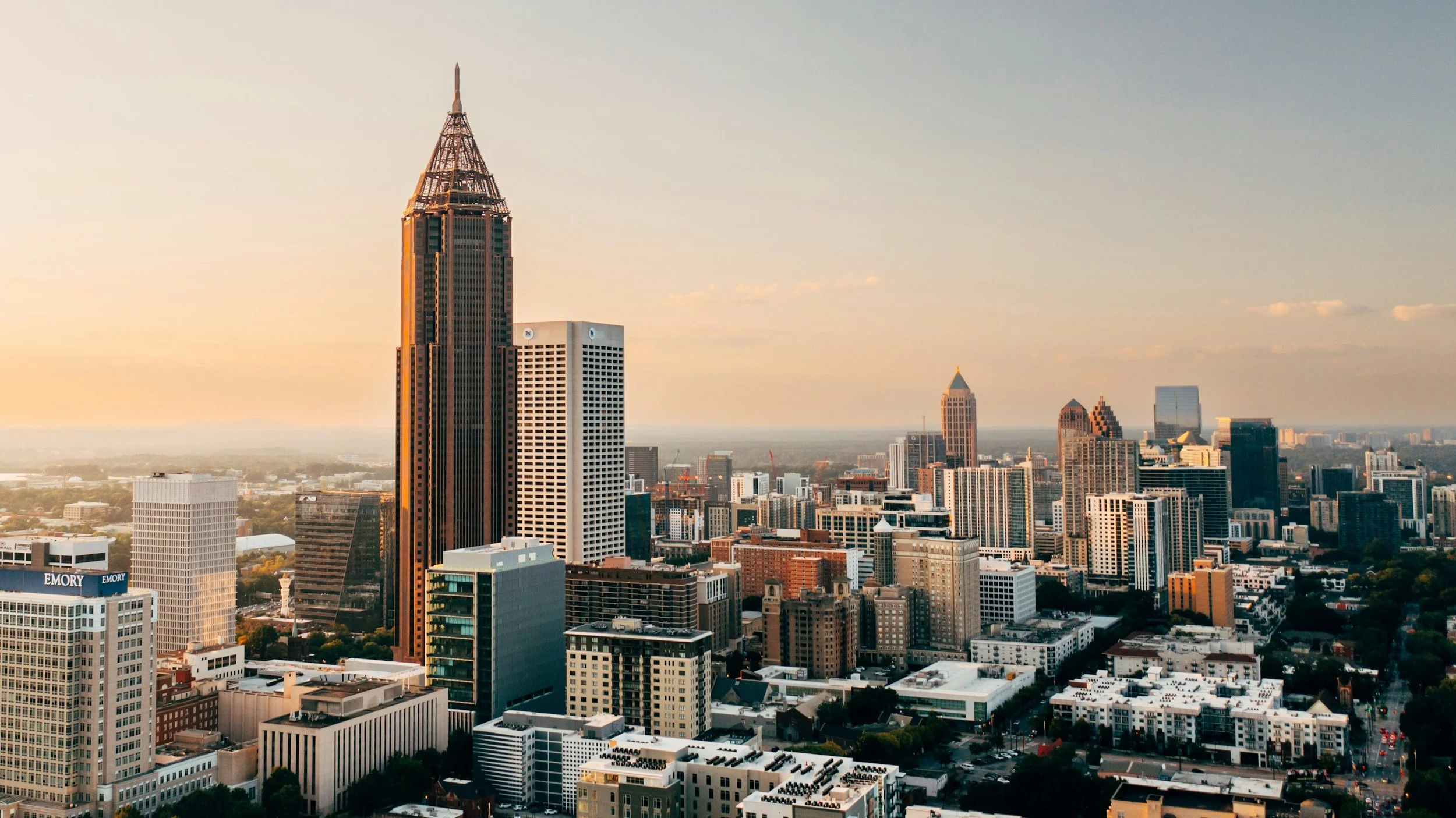
Best for: Unmatched Black queer culture, Southern hospitality, and independent community networks.
The Vibe: The undeniable, creative capital of the American South.
The Caveat: A terrifying political divide between a progressive city and a hostile state government.
Atlanta is uniquely positioned as the Black queer mecca of the United States. For decades, it has served as a cultural incubator where Black LGBTQ+ artists, activists, and entrepreneurs don't just exist on the margins—they set the rhythm for the entire city. Unlike many Western cities where queer culture is predominantly white and commercialised, Atlanta offers a deeply rooted ecosystem of Black-led and trans-led organisations, queer-owned coffee shops, and independent arts spaces. There is a powerful sense of community safety here, born of collective solidarity and organising rather than of corporate or police protection.
If you are visiting, Atlanta feels vibrant and incredibly welcoming, especially if you explore beyond mainstream Midtown into the creative, independent hubs of East Atlanta Village or Little Five Points. It is a city where you can find daytime spaces, community markets, and nightlife that feel genuinely inclusive and celebratory of gender non-conformity.
But migrating here requires a sober look at American regional politics. Atlanta is a progressive, blue oasis trapped inside the deeply conservative state of Georgia. While city ordinances protect you locally, the state legislature actively weaponises bills against trans healthcare, reproductive rights, and legal identity protections. Living here long-term requires a high degree of political resilience and vigilance. Furthermore, newcomers moving into the city often accelerate the gentrification of historically Black neighbourhoods, driving up housing costs and displacing legacy residents. Relocating to Atlanta ethically means understanding that your presence has an impact, and it requires actively showing up for local Southern mutual aid groups that are fighting to protect the city's most vulnerable communities.
Trying to navigate the complex landscape of the South? We break down the safest neighbourhoods to live in, how to support local Black trans advocacy, and the reality of state-level laws in our [Guide to Atlanta → Coming Soon]
Total Score: 14 | Legal: 2/5 | Safety: 4/5 | Community: 5/5 | Affordability: 1/5
Evolving from the Roman settlement of Londinium, this ancient crossing of the River Thames has been a site of Celtic gatherings, global trade, and endless cultural collisions for over two millennia.
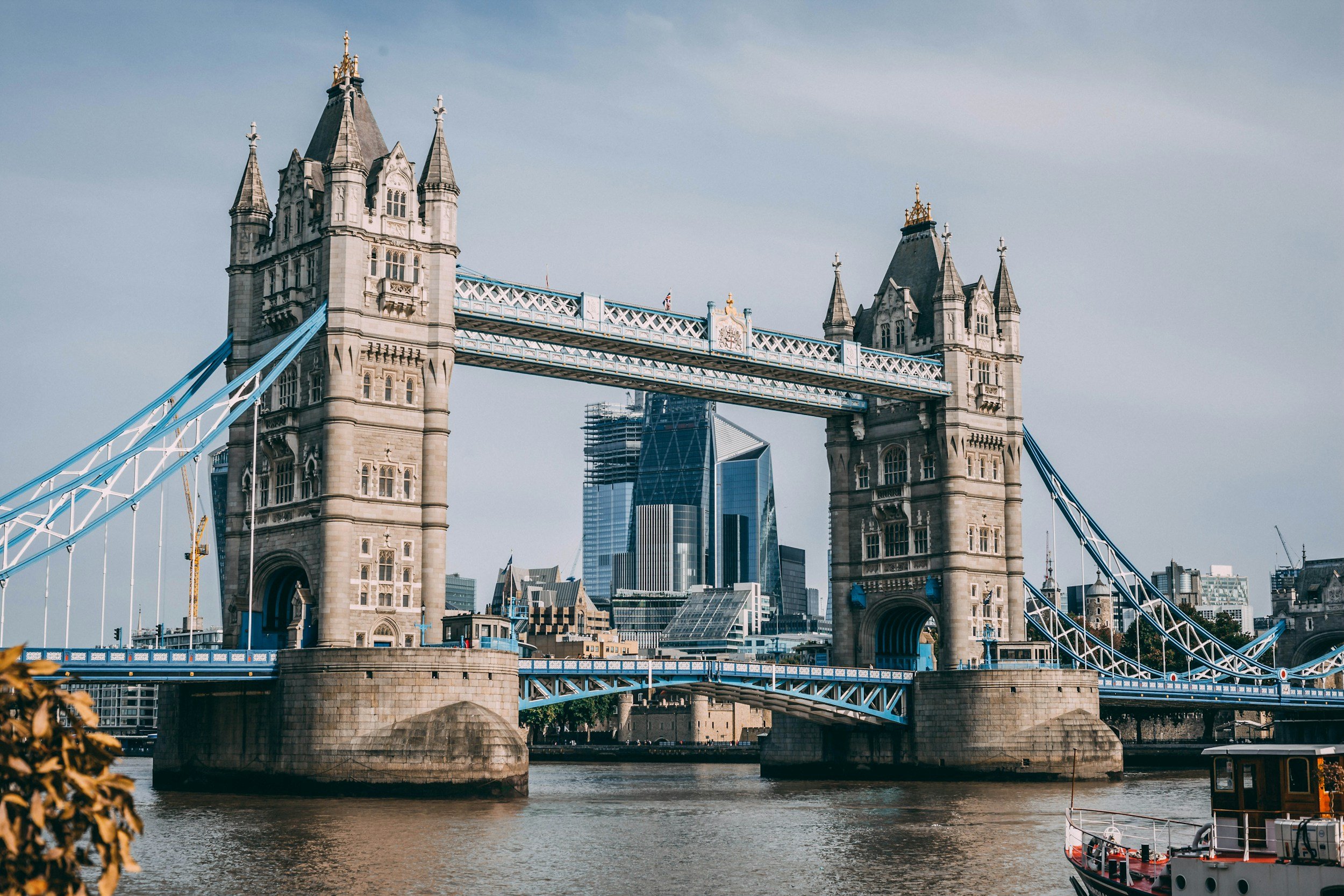
Best for: Extensive mutual aid networks and historic, endlessly diverse queer subcultures.
The Vibe: A massive, fast-paced global crossroads where you can find your exact niche.
The Caveat: Toxic media rhetoric surrounding trans identities and a collapsing public healthcare system with multi-year waitlists.
London is massive, chaotic, and relentlessly diverse. The sheer scale of the city means that if you belong to a highly specific intersectional community—whether that is a queer and trans climbing club, a sober nonbinary reading circle, or a grassroots mutual aid cooking group—London has it. While the historic central neighbourhood of Soho remains the commercial heart of the gay scene, the real heartbeat of the city's nonbinary and radical queer community has long since moved to East London. Neighbourhoods like Hackney and Dalston boast legendary independent venues, community centres, and co-ops that actively prioritise marginalised people over corporate sponsorships.
If you are visiting, London offers an incredible playground of history, theatre, and nightlife. The public transit system is expensive, and the city is so multicultural that visibly gender-nonconforming and BIPOC travellers can generally move through public spaces with a high degree of comfort and a baseline of physical safety.
However, looking at London as a place to migrate reveals deep structural and political fractures. The UK political and media landscape has become notoriously hostile toward trans and nonbinary individuals, with public discourse frequently targeting basic rights and bodily autonomy. Furthermore, while the National Health Service (NHS) technically provides public gender-affirming care, systemic underfunding has created agonising waitlists that stretch out for several years, forcing local trans folks to rely entirely on expensive private care or crowdfunding. On top of that, London is brutally expensive. Arriving with a high foreign salary to rent a flat in an increasingly gentrified East London neighbourhood actively squeezes out the local queer youth and organisers who built the culture. Moving here responsibly means recognising that the system is failing its residents and requires a commitment to supporting the grassroots mutual aid networks that keep the community afloat.
Trying to make sense of the UK landscape? We break down the absolute reality of navigating the healthcare system, the best neighbourhoods for independent community spaces, and how to plug into local mutual aid in our [Guide to London → Coming Soon]
Total Score: 12 | Legal: 4/5 | Safety: 2/5 | Community: 4/5 | Affordability: 2/5
Nestled beneath the iconic Table Mountain, this striking geography is known as //Hui !Gaeb has been home to the indigenous Khoekhoe and San peoples for millennia, long before the violence of colonial and apartheid eras.
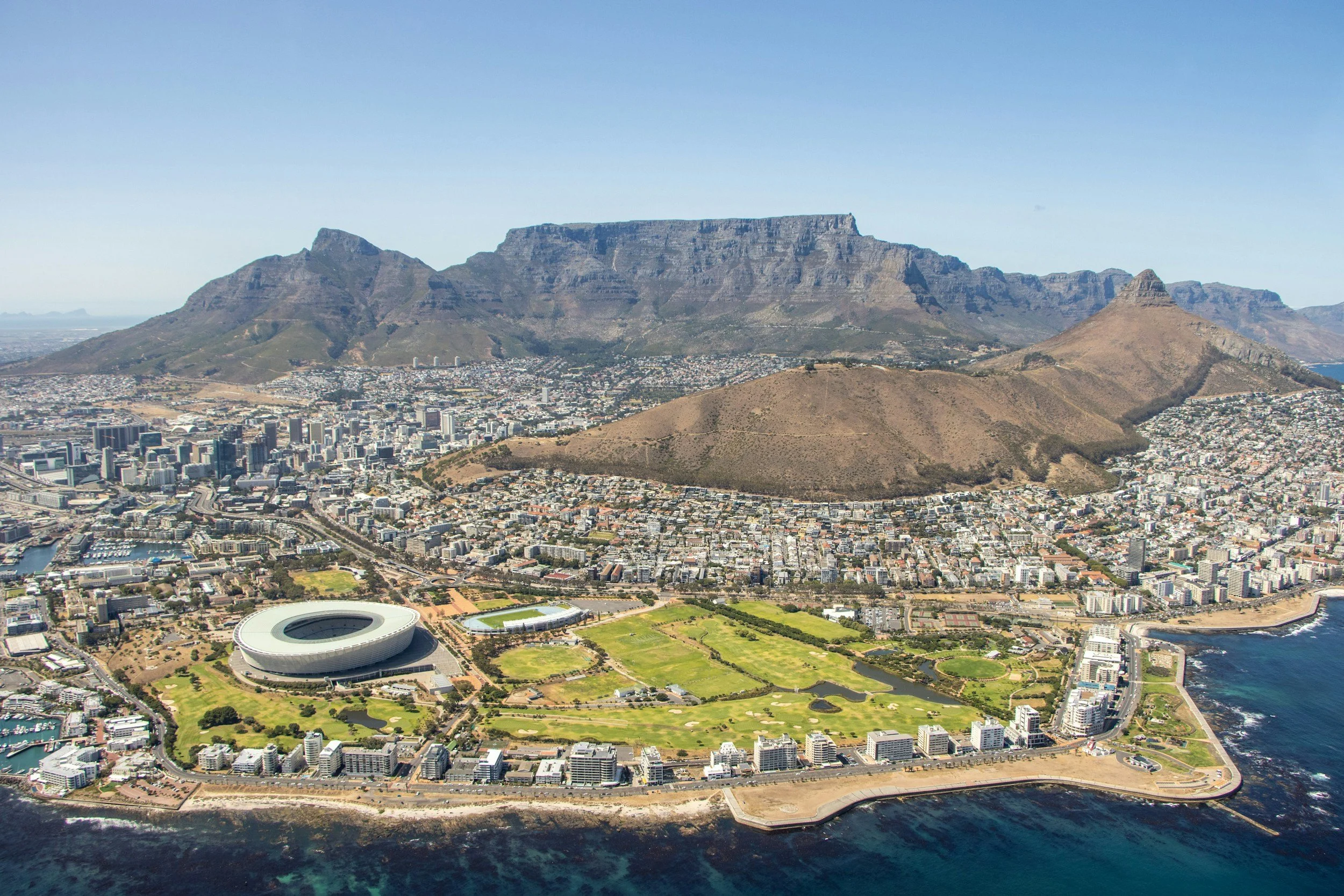
Best for: Critical African LGBTQ+ representation and a constitution that explicitly protects your right to exist.
The Vibe: Mind-blowing natural beauty paired with a highly visible, resilient queer community.
The Caveat: Deep, systemic racial and economic inequality that dictates your safety depending entirely on your zip code.
South Africa holds a profoundly important place in global civil rights history. In 1996, it became the first country in the world to explicitly protect individuals from discrimination based on sexual orientation in its constitution. Today, trans individuals can legally change their gender markers on official documents with relative ease. In Cape Town, this progressive legal framework translates into a highly visible, artistic, and resilient queer community that exists alongside some of the most breathtaking landscapes on earth.
If you are visiting, Cape Town can feel like paradise. Mainstream, affluent areas like De Waterkant offer a highly concentrated bubble of queer-friendly bars, cafes, and boutiques. Because the city centre is heavily gentrified and monitored by private security, tourists with strong foreign currencies generally enjoy a high degree of comfort and daytime safety.
However, looking at Cape Town as a place to migrate requires an uncomfortable look at systemic inequality. The city is still fundamentally shaped by spatial apartheid. While wealthy, predominantly white expats live in insulated coastal bubbles, the vast majority of Black and Coloured working-class residents are pushed to the under-resourced margins of the city. Safety, legal protection, and transit access drop drastically the moment you leave the tourist tracks. Furthermore, the local community faces severe daily challenges like rolling power outages (load-shedding) and a lack of local job opportunities. Arriving here as a wealthy foreign remote worker to take advantage of the cheap cost of living without directly contributing to local survival funds exacerbates this divide. Moving or travelling here ethically means looking past the stunning ocean views and intentionally supporting the local, grassroots organisations doing the dangerous, necessary work to protect marginalised queer lives across the entire city.
Want to engage with Cape Town mindfully? We discuss how to navigate the city's complex geography, break out of the wealthy expat bubble, and support local township-based queer advocacy in our [Guide to Cape Town → Coming Soon]
Country vs City: What is the "Most LGBT-Friendly" Country?
If you are looking at the macro level, searching for the "safest country" is usually a trap. National laws matter, but your zip code dictates your daily reality.
For example, the United States offers wildly different experiences depending on where you land; moving from a trans-healthcare sanctuary city like Chicago to a rural town in Florida is practically like crossing an international border in terms of your legal rights. Conversely, South Africa has incredible, ironclad constitutional protections for queer people on a national level. Still, the local economic realities and spatial divides in Cape Town heavily complicate your physical safety on the street.
When you travel or migrate, always evaluate the city's specific, hyper-local ecosystem. The passport stamp means very little if the neighbourhood isn't safe.
Visiting vs Relocating: The Ethics of Finding a Safe Haven
There is a massive difference between a city that is fun for a Pride weekend and a city where you can ethically build a life.
A destination like Amsterdam or Mexico City might be an incredible, stress-free vacation spot. But if you are seeking a permanent move, you have to weigh the city's legal infrastructure against the reality of its housing market and your own economic footprint. Moving to a new country with a strong foreign salary to escape marginalisation at home does not magically erase the privilege you hold over local working-class residents.
If you are looking to relocate, do your homework. Look into digital nomad visas, understand the tax implications, learn the language, and make sure your search for safety doesn't come at the cost of displacing the local queer community that built the culture you want to enjoy.
Frequently Asked Questions (FAQ)
-
It entirely depends on what kind of safety you need. If you prioritise absolute street safety and lack of public harassment, cities like Taipei and Wellington are unmatched. If you need ironclad legal frameworks and accessible medical transitions, look toward Buenos Aires or Melbourne. If you are looking for massive, decentralised trans and nonbinary community networks, Berlin and Chicago are incredible hubs.
-
Get off the mainstream travel blogs and tourist apps. The best way to find intersectional, radical queer spaces is to look for independent queer bookstores, zine fairs, and local FLINTA (Female, Lesbian, Bisexual, Transgender, Asexual) events. Search Instagram for trans-led housing or food collectives in the city you are visiting, and redistribute your travel budget by donating to them directly.
-
It depends heavily on your destination. While cities on this list are generally safe, the host country's border control may not legally recognise the "X" marker, which can lead to questioning or delays. Always research the national entry requirements and border policies of your destination first.
Read: How to Legally Change Your Gender Marker (or Why You Might Not Want To)
The Bottom Line: Taking Up Space
The truth is, there is no flawless queer utopia. Every single city on this list has its own messy, complicated reality, and everywhere you go, there will be work to do.
But there is a massive difference between merely surviving in a place that actively tries to erase you and living in a city where you have the structural and community support to actually find your footing, find your people, and breathe.
Whether you are planning a two-week reset to escape a hostile hometown or you are looking to pack up your life into three suitcases and start over completely, remember that you deserve to take up space safely. Travel mindfully, understand the impact your wallet has on local housing, actively fund grassroots trans and nonbinary infrastructure, and never settle for the bare minimum of "tolerance."
Where are you heading first? We are building out massive, hyper-local deep dives for every single city on this list so you can bypass the tourist traps and connect directly with the community. Bookmark this page! We will be updating these links as we release the full street-level guides for all 15 cities throughout 2026.
Enjoyed this read?
Subscribe for more, or explore posts connected to this one below.