Charli XCX & the Death of Brat: ‘The Moment’ Is the Anti-Capitalist Exorcism We Needed
The transition from the chartreuse-tinted hysteria of 2024 to the stark cinematic landscape of 2026 marks a pivotal shift in the career of Charlotte Emma Aitchison, better known as Charli XCX.
As the cultural clock struck midnight on the "Brat" era, the release of the A24-distributed mockumentary The Moment served not as a celebratory victory lap but as a calculated, scorched-earth dismantling of the very celebrity machine that propelled her to global hegemony.
Premiering at the 2026 Sundance Film Festival, the film arrived at a time when the queer community is grappling with the hyper-commercialisation of our aesthetics, making this meta-fictional critique an essential, if uncomfortable, artefact of the mid-2020s. The Moment functions as a "2024 period piece," capturing the precise friction between artistic autonomy and the modern music industry's cannibalistic tendencies.
The Thesis: The Pop Star as a Weaponised Advert
The central thesis of The Moment posits that in the current stage of hyper-capitalism, the artist does not merely sell a product; the artist becomes the advert itself. This critique is explored through an alt-history narrative in which Charli, playing a heightened, increasingly frazzled version of herself, prepares for the "Brat Tour" while facing the relentless pressure from her label, Atlantic Records, to maximise the "moment" before it fades. The film argues that the success of the Brat album—an era defined by raw, club-ready vulnerability—was immediately targeted by corporate interests seeking to sanitise its "rails-in-the-bathroom" aesthetics for a broader, family-friendly demographic.
This tension is most visceral in the film’s depiction of the "Brat Card," a lime-green credit card marketed toward young queer people. This subplot serves as a scathing indictment of identity-based banking and the way corporate entities attempt to financialise queer community-building. In one standout scene, the fictionalised Charli asks her manager, Tim (played by Jamie Demetriou), whether applicants must "prove that they're gay" to secure the line of credit. The absurdity of the scheme highlights the hollow nature of corporate inclusivity, where a subculture’s visual language is stripped of its transgressive roots to facilitate consumer debt.
| Feature | Details of The Moment (2026) |
|---|---|
| Director | Aidan Zamiri |
| Lead Cast | Charli XCX, Alexander Skarsgård, Rosanna Arquette |
| Production Studio | Studio365, 2AM, Good World |
| Distribution | A24 (US), Universal (UK) |
| Budget | $4 Million |
| World Premiere | Sundance Film Festival, 23 January 2026 |
| Running Time | 103 Minutes |
The mockumentary format, directed by longtime collaborator Aidan Zamiri, allows for a blurring of performance and reality that mirrors the "terminally online" existence of Charli’s fanbase. By utilising a gritty, handheld aesthetic captured by cinematographer Sean Price Williams, the film conveys the jittery, anxious reality of a star who has "almost got everything she could have wanted" and is terrified of the human cost.
For the non-binary audience, this portrayal of "cracking under the pressure" resonates as a broader commentary on the performance of identity in digital spaces. The film suggests that the more authentic an artist tries to be, the more the industry seeks to package that authenticity as a sellable trope.
The Critique: Satirical Teeth and Pacing Problems
While The Moment succeeds as a conceptual deconstruction, the film’s execution received a mixed response from critics, currently holding a 60% on Rotten Tomatoes. The critique centres on whether the film is an effective satire or a "curiously shallow" meta-project that relies too heavily on fan literacy. Some reviewers argue that the pacing stalls in the second act, moving into a montage-heavy structure that fails to develop the initial conflict between Charli and her corporate handlers. The film’s refusal to offer a traditional triumphant narrative arc—where the artist overcomes the label—is a deliberate choice that some found unsatisfying.
However, the performances elevate the material, particularly Alexander Skarsgård’s turn as Johannes Godwin, the pretentious director hired by the label to film a "sanitised" version of the tour for Amazon Prime. Skarsgård creates a "showbiz wolf in sheep’s clothing," advocating for backup dancers, light-up wristbands, and green glitter to replace the stark strobe lights and live rain of the original vision. Johannes serves as a proxy for the corporate colonisation of queer art, constantly reminding Charli that "we don't want families to turn off the television". His presence forces a confrontation between the "avant-pop" integrity of the Brat era and the reality of being a global commodity.
| Cast Member | Role in The Moment | Archetype Represented |
|---|---|---|
| Charli XCX | Herself | The Frazzled Protagonist / Brand Victim |
| Alexander Skarsgård | Johannes Godwin | The Corporate "Visionary" / Usurper |
| Rosanna Arquette | Tammy Pitman | The Profit-Driven Label Executive |
| Hailey Benton Gates | Celeste Moreau Collins | The Artistic Soul / Loyal Creative Director |
| Jamie Demetriou | Tim Potts | The Overwhelmed Assistant / Witness |
| Rachel Sennott | Herself | The "Internet It Girl" Cameo |
| Kylie Jenner | Herself | The Apex of Commercialised Celebrity |
The film also explores the broader queer community's reaction to Charli’s sudden ubiquity. By including cameos from figures like Julia Fox and clips of Anthony Fantano, the movie acknowledges how the "Brat" phenomenon was discussed on everything from CNN to Reddit. The "Brat Card" debacle in the film leads to a fictionalised backlash where fans abandon her and political figures distance themselves, mirroring the real-world exhaustion that often follows a viral cultural trend. This "sell-out" narrative allows Charli to explore the dark fantasy of failing so spectacularly that the industry finally leaves her alone to evolve into her next phase.
Beyond The Moment, Charli XCX's rapid-fire transition into acting provides further context for her desire to "kill" the pop girlie persona. Her roles in 2026 show a deliberate move away from being the "centre of the party" toward becoming a versatile character actor. In Gregg Araki’s I Want Your Sex, she plays Minerva, a "bored, sexless girlfriend" who serves as a direct foil to the sexually liberated world typically associated with both Araki and Charli herself. In the horror remake Faces of Death, she portrays Gabby, a content moderator in an American-accented role that strips away the glamour of her music career.
| Film Title | Release Date | Charli's Character/Role | Queer/Meta Theme |
|---|---|---|---|
| The Moment | 30 Jan 2026 | Herself | Industry satire / anti-capitalism |
| Faces of Death | 10 Apr 2026 | Gabby | Meta-violence / digital horror |
| I Want Your Sex | 31 Jul 2026 | Minerva | Gen Z sexual anxiety / BDSM satire |
| Erupcja | 2026 (TBA) | Bethany | Bi vibes / heterosexual entrapment |
| 100 Nights of Hero | 2026 (TBA) | Lead Role | Queer period fantasy |
In Erupcja, Charli’s performance as Bethany is noted for its "bi vibes," exploring the tension between the freedom of queerness and the safety of conventionality. These roles suggest an artist who is no longer interested in being a "hero" who overcomes opposition. Instead, she is fascinated by characters who are "trapped" or "boring," reflecting her own expressed fear that to be boring is to die on the spot. This career trajectory indicates a move toward the "private alternate reality" favoured by cult directors such as Gregg Araki and Jane Schoenbrun, prioritising artistic "soup" over mainstream "success".
Analysis of the "Sell-Out" Finale
The ending of The Moment is perhaps its most controversial and insightful sequence. Charli finally gives in to Johannes' vision, performing a glossy, commercialised version of the tour that feels aggressively corporate. The film uses "Bittersweet Symphony" as a background track, providing a sense of "cringe" emotional catharsis as the artist chooses submission over resistance. This ending acts as a pointed critique of how easily an artist's vision can be flattened into something "extremely commercialable". By caving in, the fictional Charli achieves her goal of "killing" the album cycle, sacrificing her brand to gain the freedom to move on.
The Final Verdict: Burnout Is the Only Honest Conclusion
The Moment is not a film about winning; it is a film about the exhaustion of being "the moment". For the enbies and queers, it serves as a necessary reminder that the identities we build in digital and club spaces are constantly under threat of being commodified into "Brat Cards" and "family-friendly" content. The movie’s strength lies in its refusal to overexplain its vulnerability, letting the discomfort of a "pop machine reckoning" linger with the audience. It confirms that the Brat era was always intended to be a "moment," not a permanent state of being, and that letting go is the ultimate act of creative authority.
Charli XCX has successfully used A24’s platform to deliver a controlled demolition of her own celebrity. While the film might be "lukewarm" for those unfamiliar with the hyper-specific context of 2024, it stands as a brilliant, bitter, and hilarious document of what it feels like to be used by the zeitgeist. It is very Brat in its transience, and its ultimate takeaway is that the only thing worse than being a sell-out is being a permanent product.
Rating: ⭐️⭐️⭐️⭐️½ (4.5/5 stars)
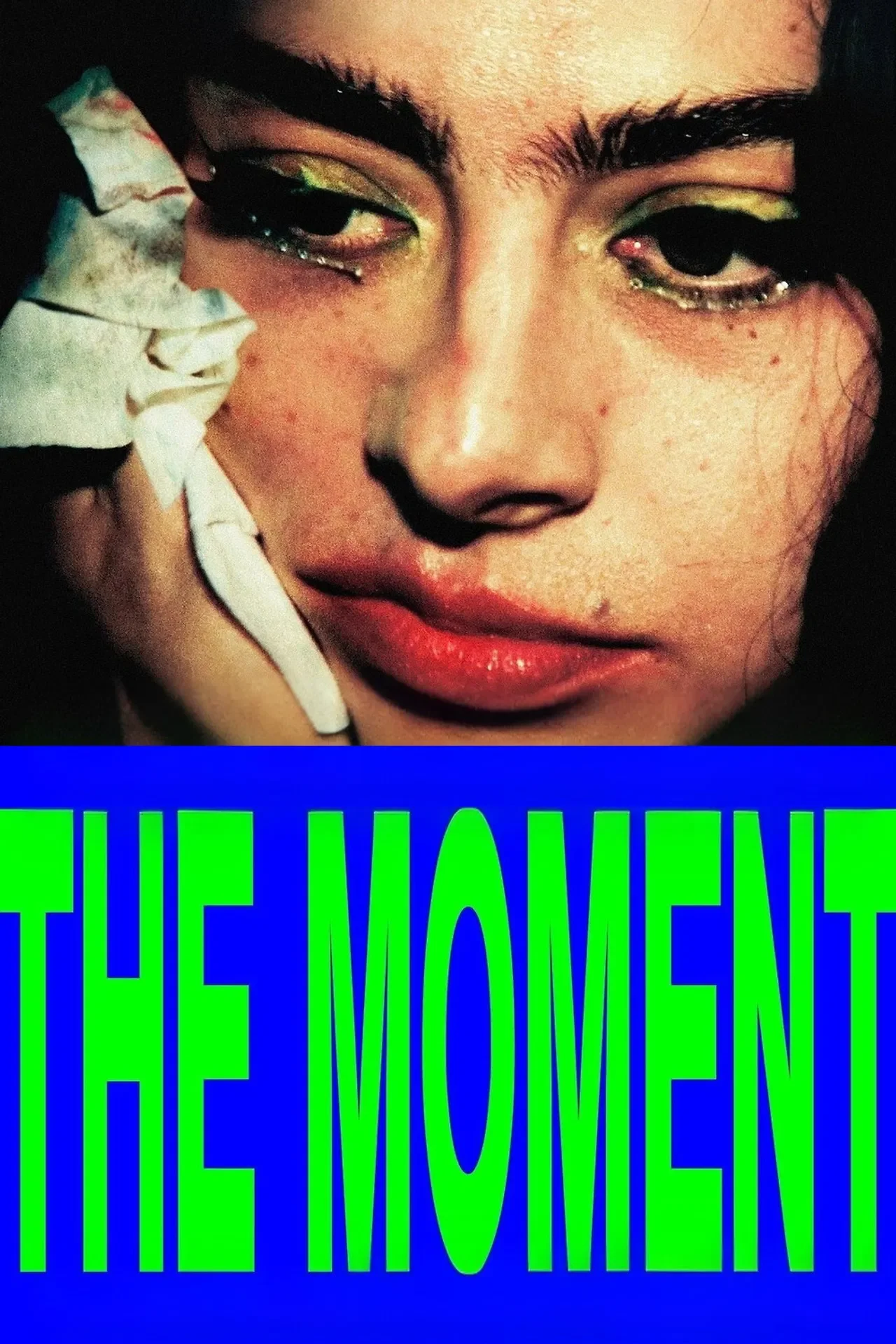
Film: THE MOMENT by Aidan Zamiri (2026).
The Moment isn’t a celebratory victory lap; it’s a controlled demolition of the very hype that made 2024 inescapable. It’s a meta-fictional autopsy of what happens when a subculture’s "rails-in-the-bathroom" aesthetics are force-fed into a corporate machine that wants to sell "Brat Cards" to queer kids. It’s messy, anxious, and deeply suspicious of the "main pop girl" narrative, proving that the only way for an artist to survive hyper-capitalism is to kill their own brand before the label does it for them.
Fave Scenes: The "Brat Card" marketing pitch, the devastating rehearsal of "i might say something stupid" while suspended on wires, and Johannes Godwin’s pretentious pitch for a "family-friendly" version of club culture.
Best For: Recovering from a year-long internet bender, anyone who feels like their identity has been packaged as a demographic, and reminding yourself that burnout is a valid form of resistance.
Queer Core Takeaway: Our joy is not a credit line. The Moment reminds us that identity is a living, breathing thing that shouldn’t be flattened into a "massive production" for a streaming audience. We are allowed to be "cringe," we are allowed to fail, and we are allowed to move on because a "moment" is not a lifetime.
Do you think this era is truly subversive, or just good pop? Was the "selling out" ending a stroke of genius or a total cop-out? Sound off in the comments.
Enjoyed this read?
Subscribe for more, or explore posts connected to this one below.