
ENBY
MEANING
READS
This space explores non-binary identity, language, and lived experience. Whether you’re questioning your gender, supporting someone you love, or simply learning, you’ll find thoughtful, accessible guides here.
New to Non-Binary Identity? Start here…
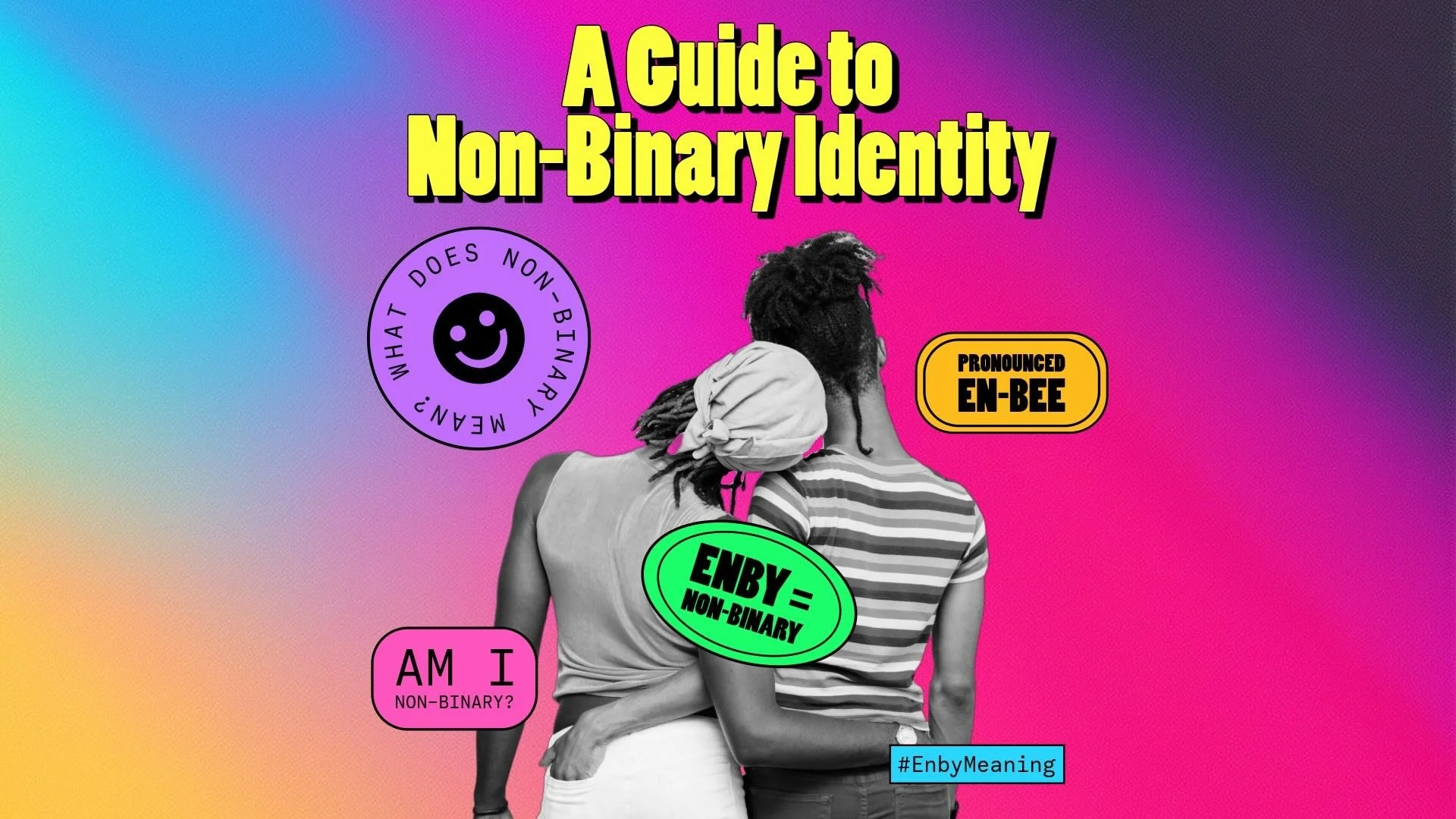
What does non-binary mean? Am I non-binary?
This in-depth guide explores non-binary identity, the gender spectrum, pronouns, expression, intersectionality, and allyship. Whether you're questioning, exploring, or showing up as an ally, this is a space to learn, reflect, and connect.
The Queer Biological Clock and the Geography of Guilt
11 browser tabs, 1 unanswered text from Mom, and 0 answers about whether I want kids. I'm the age my parents were when they had me. I can't picture it. Between surrogacy ethics, adoption logistics, and family pressure, I'm learning "I don't know yet" might be an acceptable answer.
Dating My Own Generation (And Finding My Footing)
I set my dating app range to my own age for the first time at 26. It should've felt normal. It felt terrifying. A kiss in an elevator taught me why relaxing into someone else's control had always felt like safety, and why that's exactly the problem. Part 2 of the series.

The Grief That May Come When Coming Out As Non-Binary
Coming out as non-binary is framed as pure gain. Nobody mentions the grief — for the imagined future, the relationships that didn't survive, the self you used to perform.

Why It's So Hard to Make Close Friends as an Adult (And How to Build Your Chosen Family Anyway)
Making friends as an adult is genuinely harder than it used to be, and for nonbinary and queer people, the stakes are higher. Here's what the research says, and how to actually deepen the acquaintances you already have. Note: Inspired by a reader question answered by Kai Cheng Thom in Xtra Magazine (2021).

How to Come Out as Nonbinary: Scripts, a Decision Framework & What to Say Back
A practical playbook for coming out as nonbinary: ready-to-use scripts, a decision framework, reaction lines, and work/school checklists—plus who to tell first and what to say when reactions get weird.